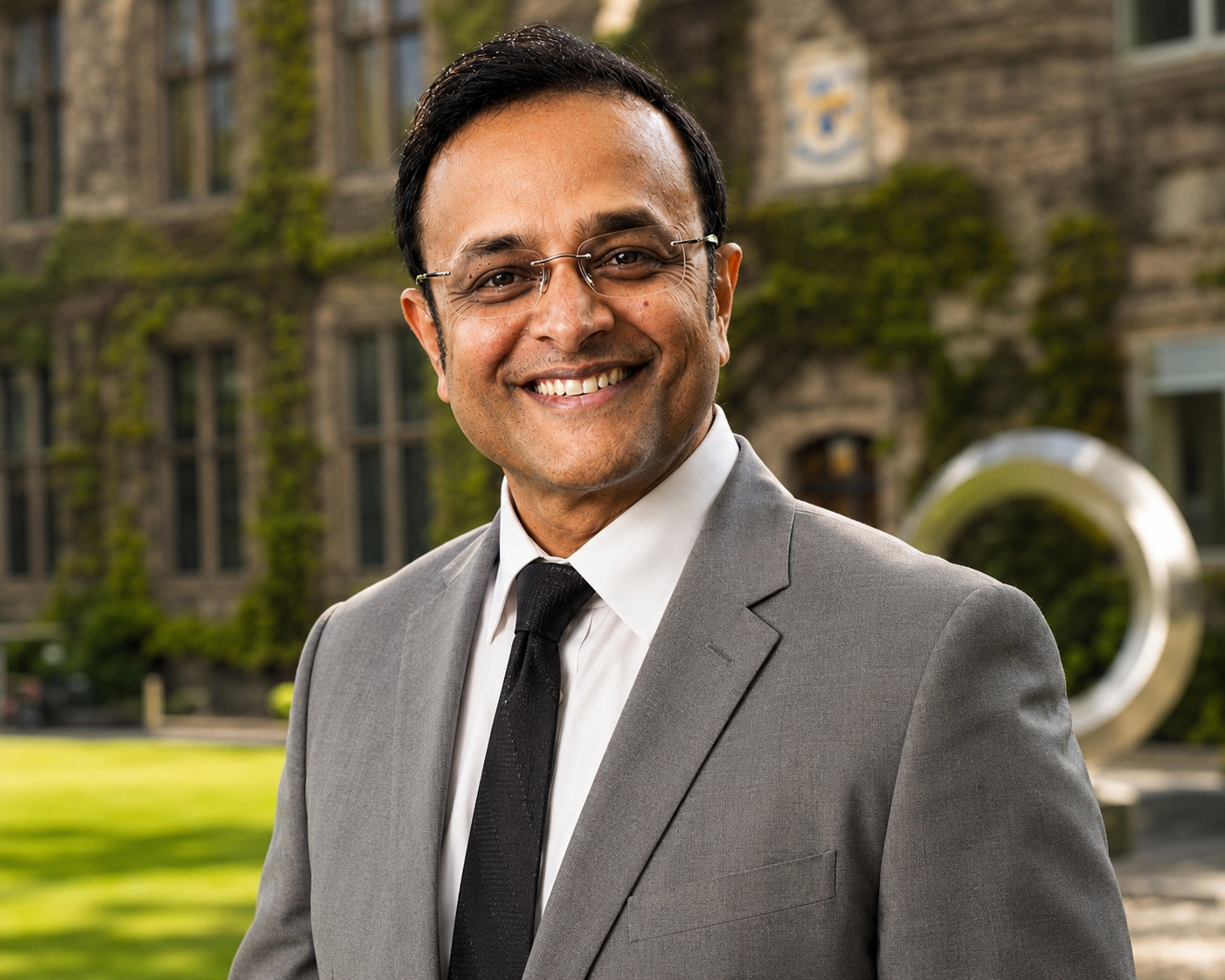
Mohan J. Dutta is Dean’s Chair Professor of Communication at Massey University and the founding Director of the Center for Culture-Centered Approach to Research & Evaluation (CARE), one of the world’s leading centres for community-grounded, decolonial communication research. A Fellow of the International Communication Association and a Distinguished Scholar of the National Communication Association, he is the originator of the culture-centered approach, the award-winning framework that has reshaped how scholars and communities pursue health equity, social justice, and decolonial change across the globe. Through CARE, he works across more than fifty community sites in seventeen countries to place the power of communication in the hands of those at the margins.
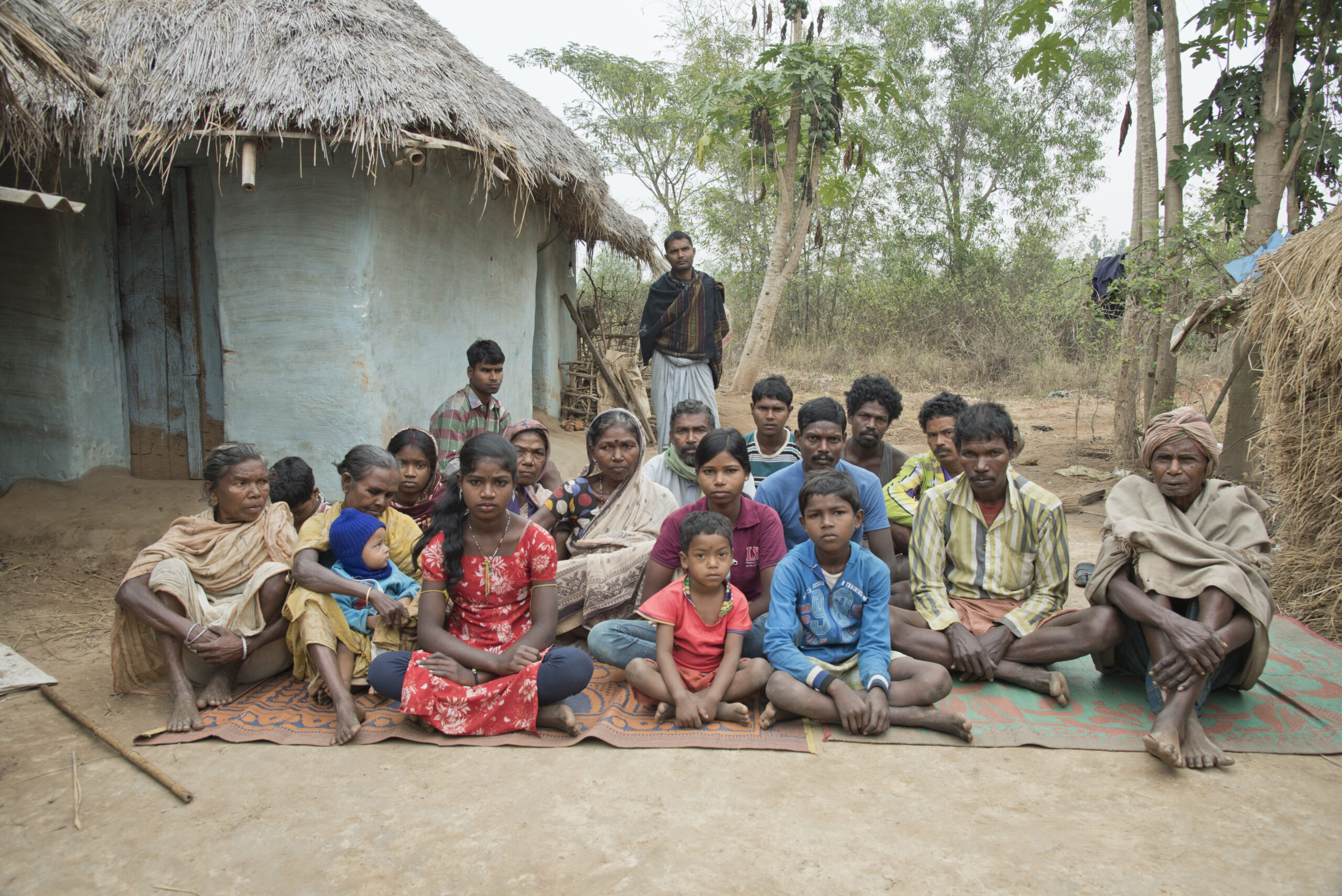
Built on the relationship between structure, culture, and agency, the culture-centered approach holds that lasting change begins when communities at the margins author their own voice infrastructures and contest the structures that erase them. It has become a foundational framework in health communication, social justice communication, and communication for social change, and its reach now extends into platform politics, Indigenous rights, migrant rights, and antiracism organising. Researchers, movements, and community collectives on six continents draw on it to turn lived experience at the margins into structural transformation.
Through CARE, which Dutta established at the National University of Singapore in 2012 and rebuilt at Massey in 2018 on more than NZ$2.5 million in foundational funding, he directs long-term, community-led projects with migrant workers, Indigenous communities, and the global poor. His scholarship spans health inequalities, poverty, data justice, racism, academic freedom, and the political economy of global health, and it consistently insists that material redistribution must be accompanied by the transformation of the communicative structures that silence the subaltern.
He is the author or editor of eleven books and more than 180 peer-reviewed journal articles, and he has been ranked among the most cited and most productive scholars in his field. His work has been recognised with the National Communication Association’s Global Communication Award, the Gerald M. Phillips Award for Distinguished Applied Communication Scholarship, the Charles H. Woolbert Award for research that has reshaped the field, the Outstanding Health Communication Scholar Award, and the International Communication Association’s Aubrey Fisher Mentorship Award, among many others. His research has been funded by agencies including the US Agency for Healthcare Research and Quality, the European Union, Singapore’s Ministry of Education, and New Zealand’s Ministry of Justice, totalling several million dollars across four continents.
Dutta’s disciplinary leadership is equally substantial. He served as Editor of the Journal of Applied Communication Research, is Series Editor of the Critical Cultural Studies in Global Health Communication book series with Routledge, and is Specialty Chief Editor for Health Communication at Frontiers. He has chaired the Ethnicity and Race in Communication Division of the International Communication Association and the National Communication Association’s Taskforce on Academic Freedom and Tenure. He has advised the World Health Organization, UNESCO, UNICEF, and the Global Partnership on Artificial Intelligence with the Alan Turing Institute, and he sits on the editorial boards of more than thirty journals.
Dutta holds a Bachelor of Technology with Honours in Agricultural Engineering from the Indian Institute of Technology, Kharagpur, and a PhD in Mass Communication from the University of Minnesota. He began his career at Purdue University, where he served as Associate Dean for Research in the College of Liberal Arts and as founding Director of the Center on Poverty and Health Inequities. He was appointed the Lim Chong Yah Professor of Communication and New Media at the National University of Singapore before joining NUS as Provost’s Chair Professor and Head of the Department of Communications and New Media, leading curriculum revision and building a strategic footprint for communication studies across Asia. Across every role his commitment has remained constant, from construction and domestic workers in Singapore to Adivasi villages in West Bengal to Māori and Pasifika communities in Aotearoa: that the people at the margins are the authors of their own change.