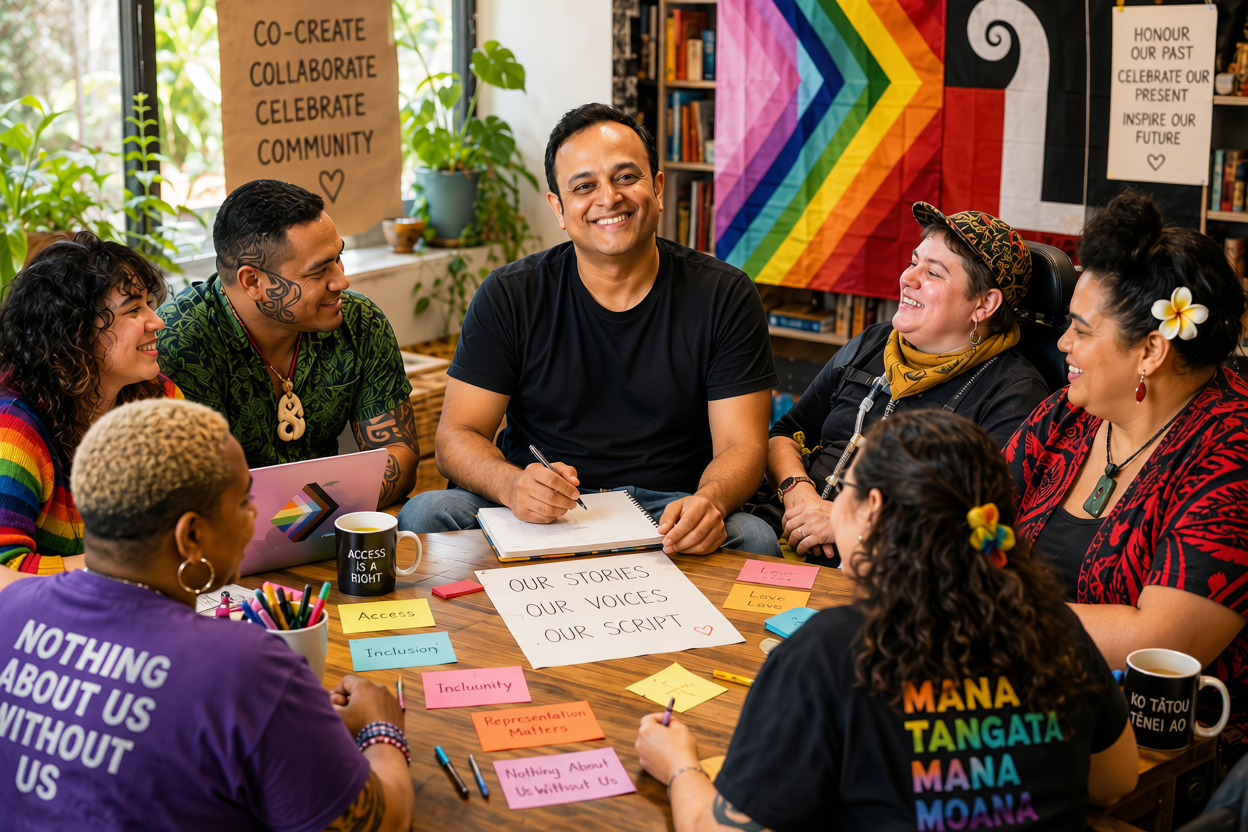
Creative Practice for Social Change
Creative practice, for me, is how voice is built where structures work to impose silence. Across performance, film, national campaigns, digital storytelling, and writing, I treat the creative form as an infrastructure for subaltern voice, a way of carrying claims that the dominant order renders unspeakable into spaces where they can be felt, heard, and acted upon.
The culture-centered approach insists that those at the margins are the authors of their own change. My creative work is the practice of organising the platforms through which that authorship reaches the world.
Performance and dance
Diverse forms of performance serve as anchors to social change.
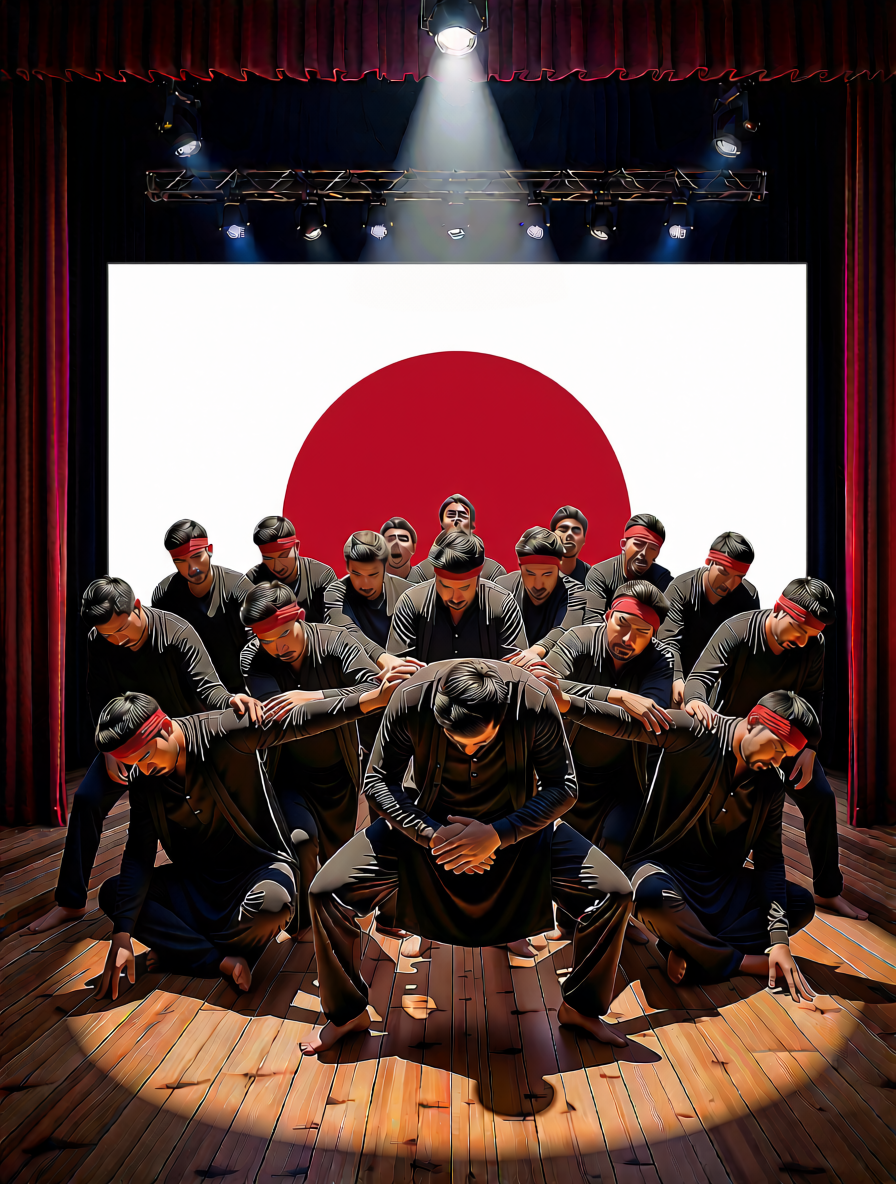
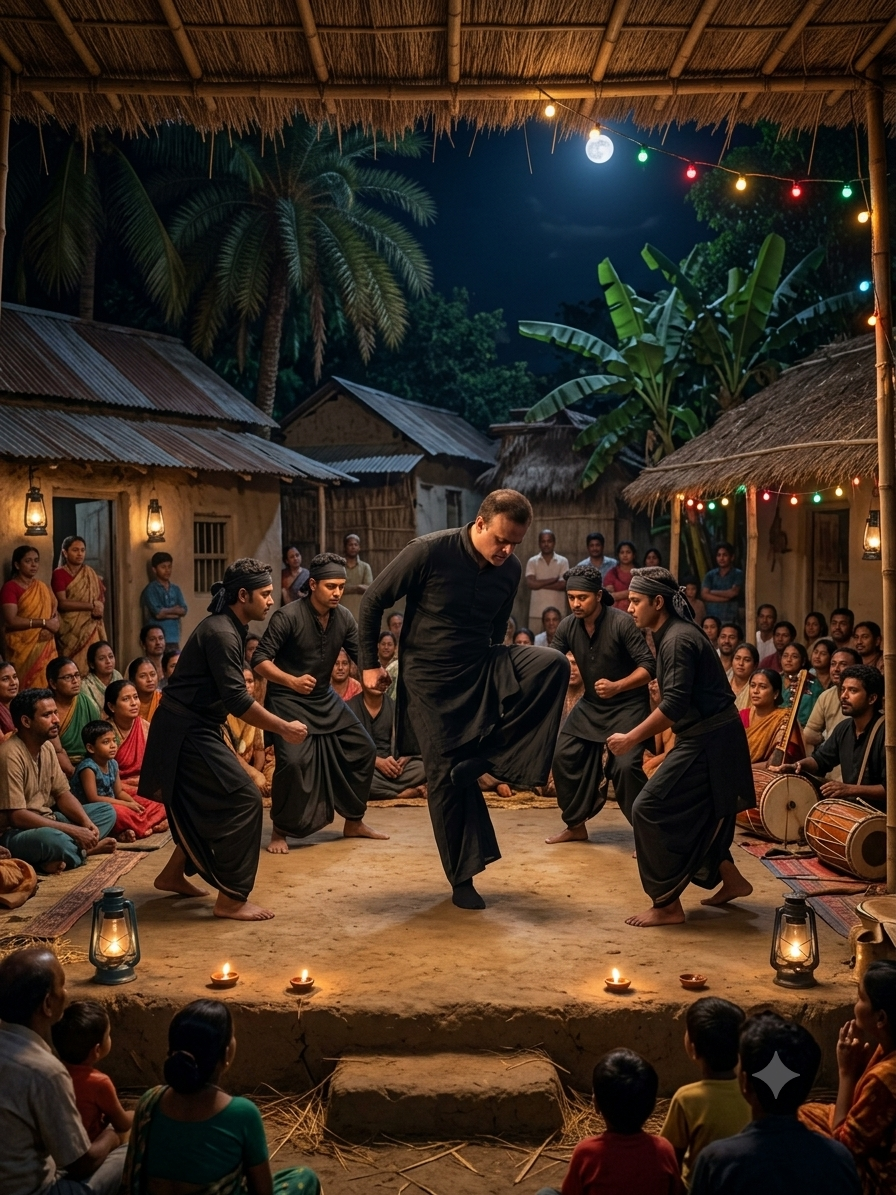
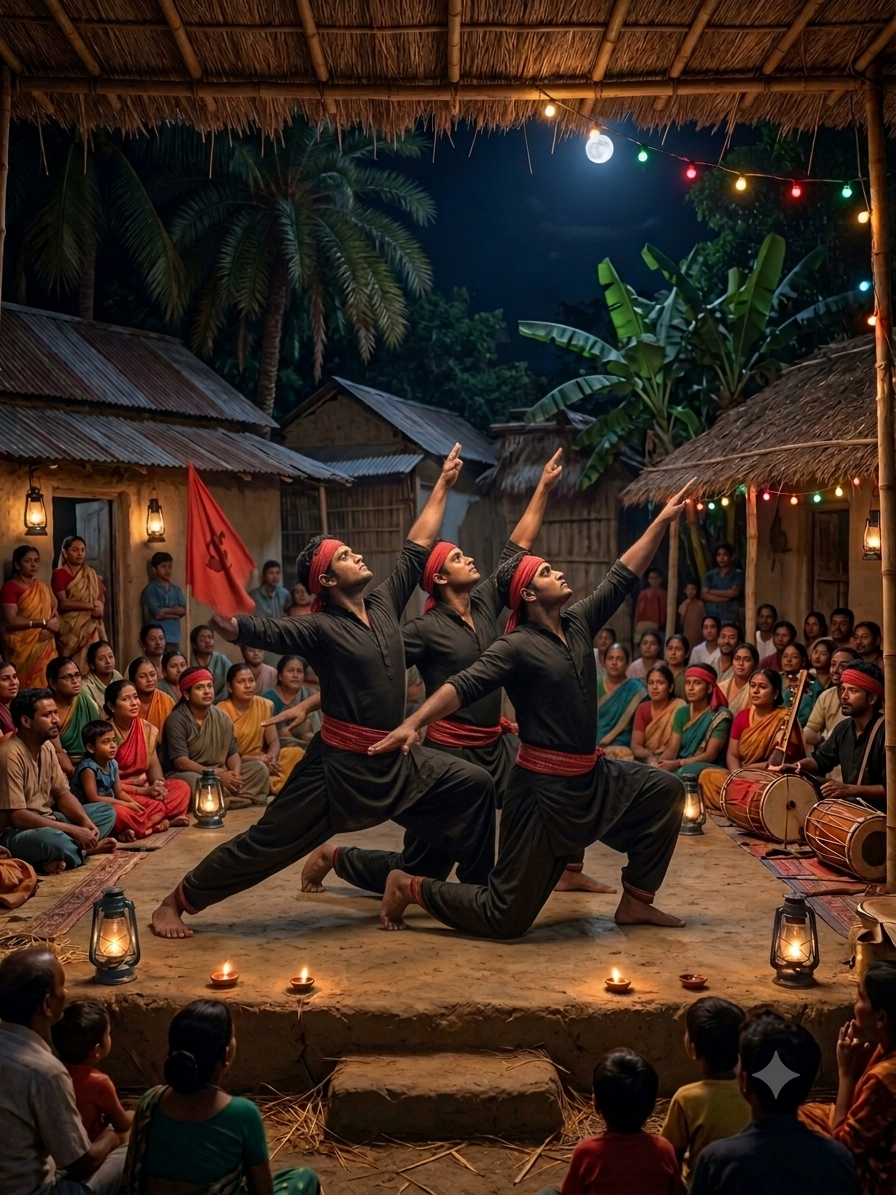
Trained in folk, classical, and modern dance, I have used performance for more than two decades as an avenue for resistance to the forces that produce poverty and marginalisation.
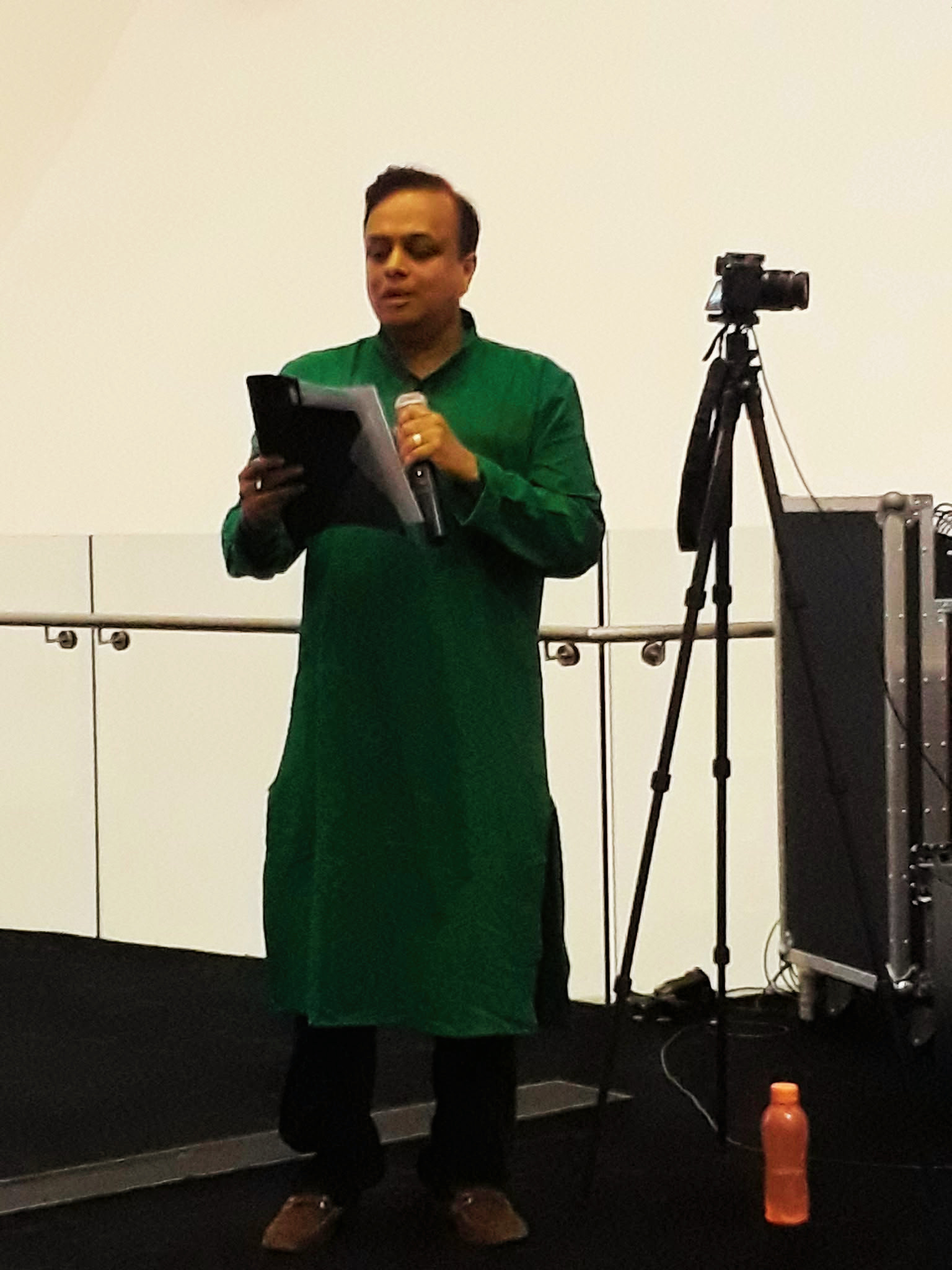
As Creative Director of the summer theatre for social change programme at Rittwick in Kharagpur, I have built work confronting communal hatred, the violence of globalisation policy under GATT and the WTO, food insecurity, and war, on platforms ranging from the street and the political rally to the community stage.
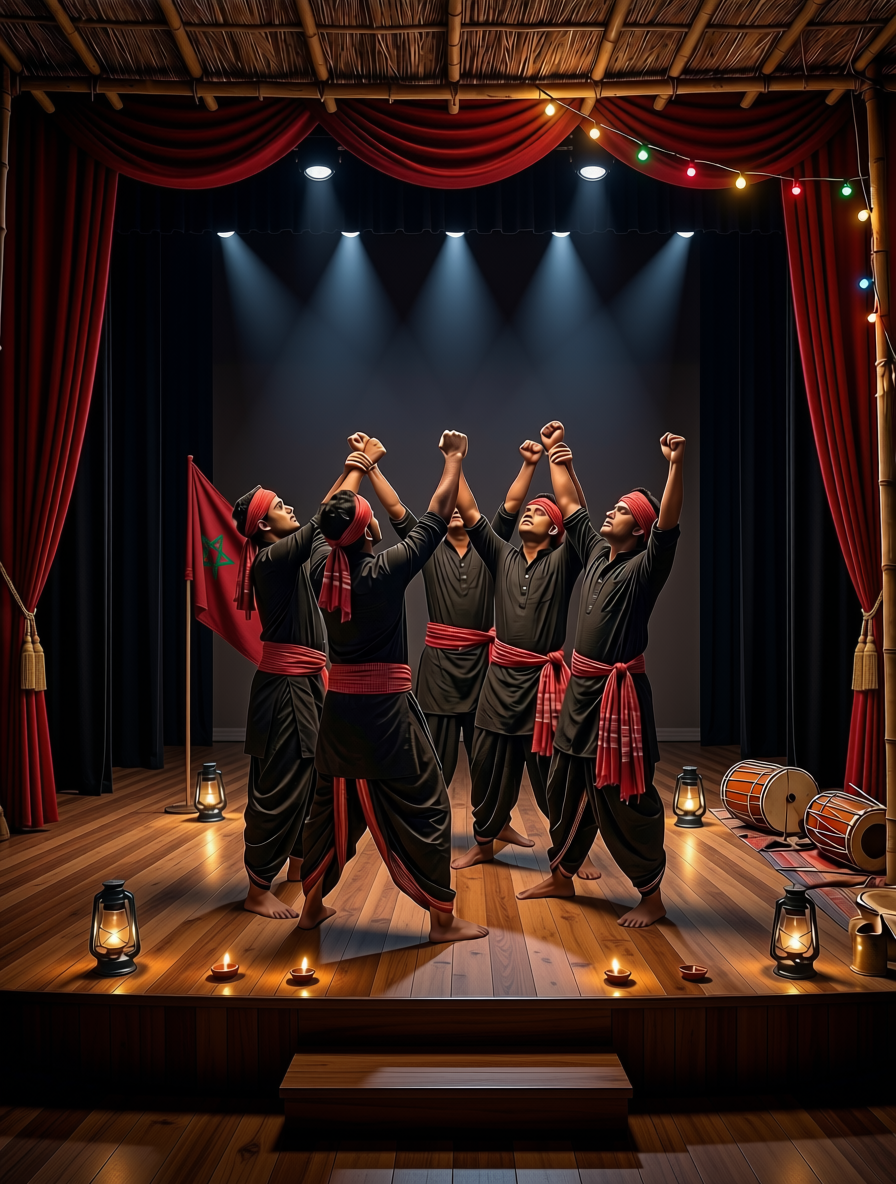
Works including Dances of Protest, Our Hunger, Our Struggles, Voices of Change, and Stories of Hunger: Can You Hear Us? turned the pain of deprivation into the resolve to change the system. With Ritwick, I have experimented with street theatre as a site for social change, drawing on one of the great traditions of political performance in India. I do not perform about these communities. I perform alongside them.
Documentary film and direction
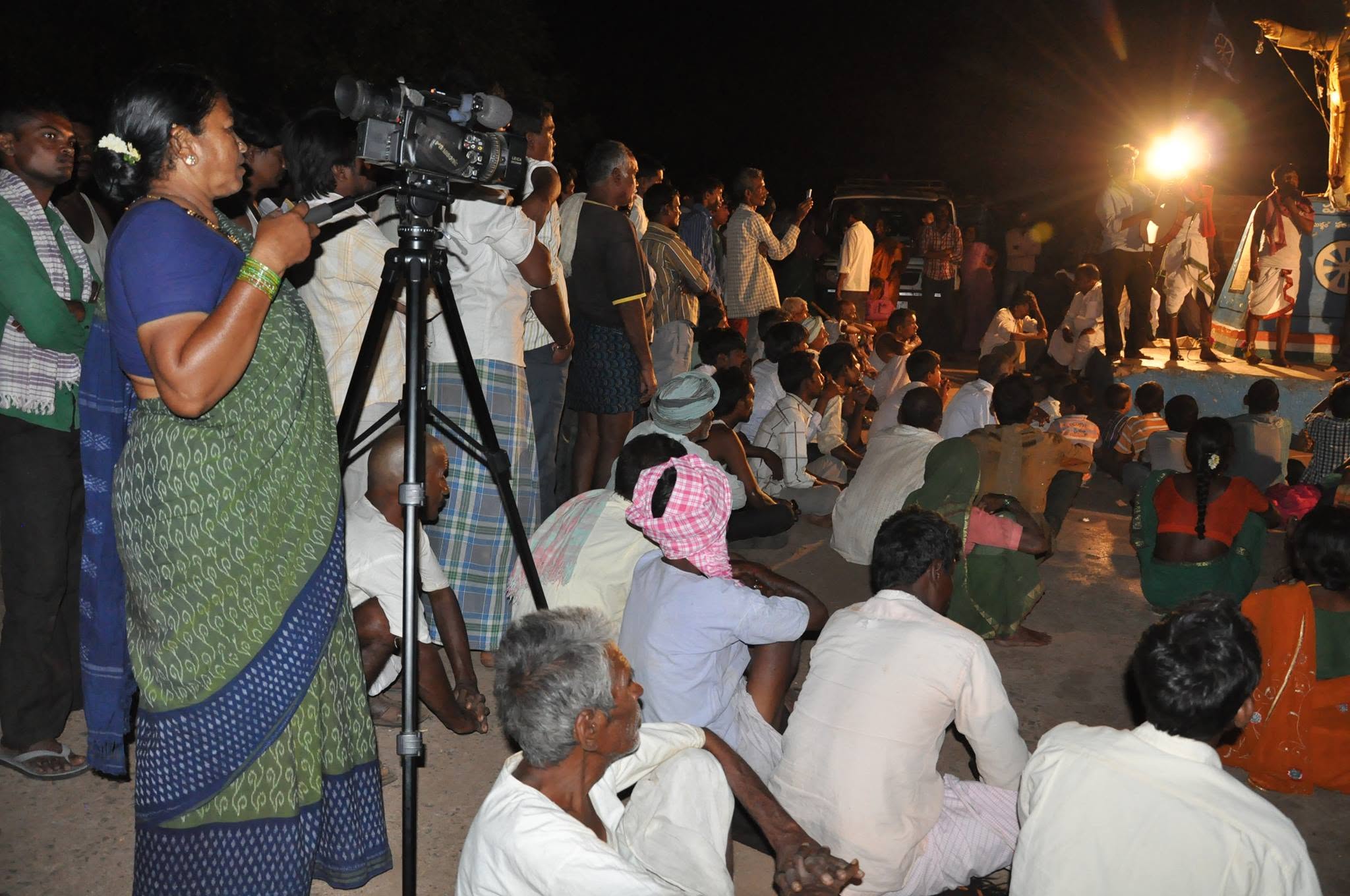
I write and direct documentary film as a way of putting subaltern voice on the screen and into public debate. I scripted and directed Respect Our Rights, on the lives of foreign domestic workers in Singapore, and Respect Our Food Rights, on the food insecurity endured by migrant construction workers there. I scripted the story and directed No Singaporeans Left Behind, a documentary that broke the silence around poverty in one of the world’s wealthiest states.
I co-scripted Voices of 1965, on the survivors of the anti-communist massacres in Indonesia, and co-created the script for Life on the Plantation: Negotiating Communicative Marginalization with an advisory group of plantation workers in Malaysia. The community-engaged work of CARE is itself documented in the film A Decade of Struggle for Voice. In each, the camera is turned over to the standpoint of those the structures erase, and the film becomes an instrument of advocacy rather than observation.
Directing national campaigns
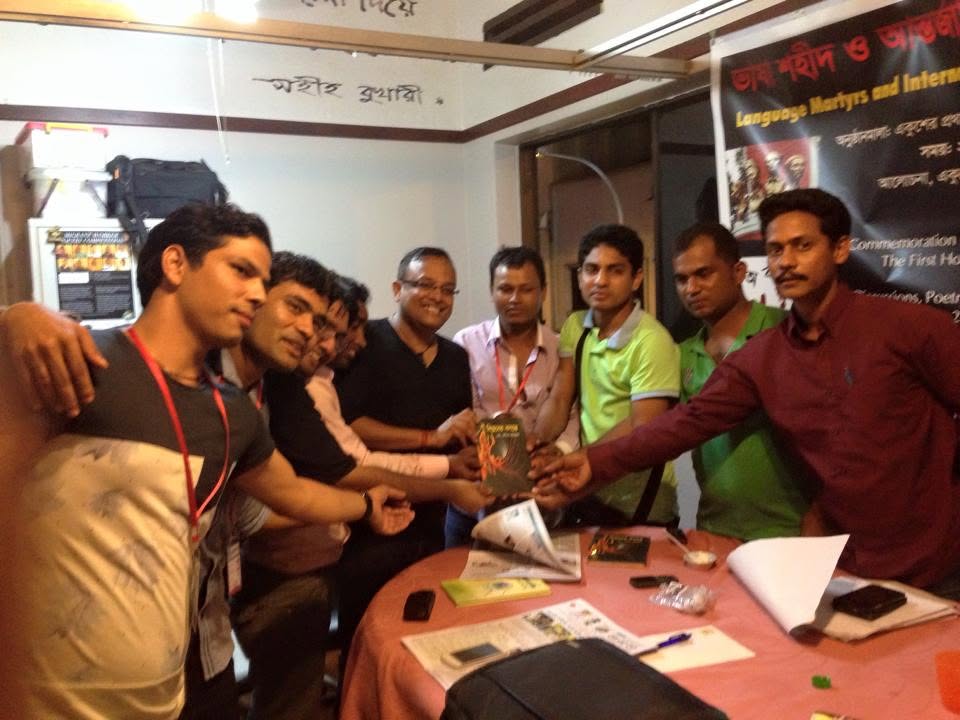
I have designed and directed national-level communication campaigns that move community voice into the structures of power at scale. The Respect Our Rights campaign with foreign domestic workers in Singapore reached more than 1.5 million Singaporeans across successive iterations, drew sustained coverage in print and broadcast media, and opened an entry point for the inclusion of labour trafficking in Singapore’s anti-trafficking legislation. No Singaporeans Left Behind reached over a million people and carried the hidden narratives of poverty so forcefully that they filled an entire issue of a national newspaper.
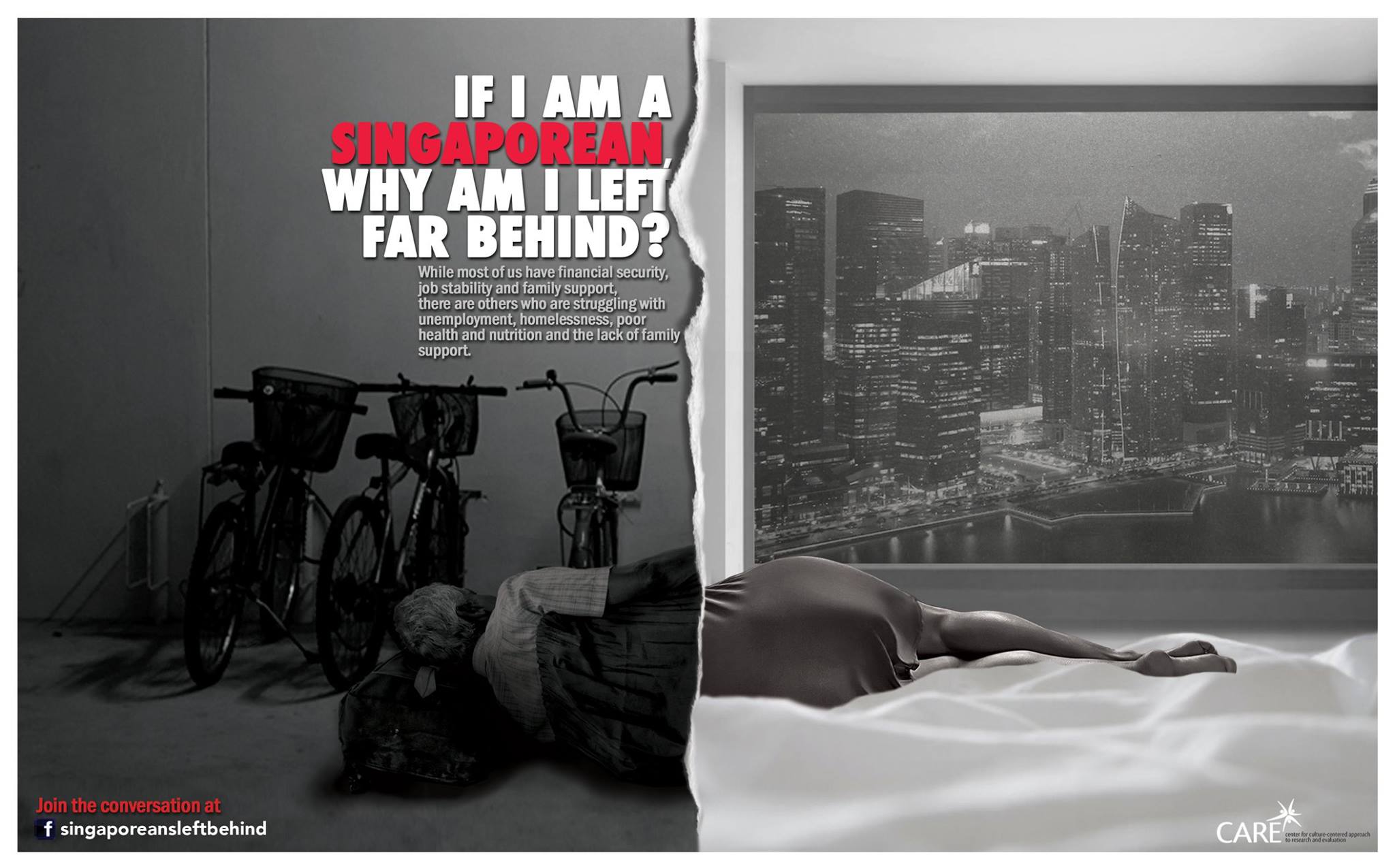
Snehabandhanam (Bonds of Love) in Telangana and Andhra Pradesh built a grassroots-driven campaign with men who have sex with men, addressing stigma, unemployment, housing, and police violence. Our Seeds, Our Life organised landless dalit women around food sovereignty, and Respect Our Food Rights reached hundreds of thousands more on migrant food insecurity.
In Aotearoa, Poverty is Not Our Future, Our Voices Matter on the Māori land occupation to protect the Oroua River, and the #Whatwesaymatters campaign for Indigenous land rights carry this work into the settler-colonial present. Every one of these campaigns was authored from the ground up, with community advisory groups defining the objectives and strategies through the culture-centered process.
Digital storytelling
I build digital and visual storytelling as voice infrastructure for communities locked out of mainstream media. Through PhotoVoice projects, community-driven digital stories, and visual storytelling methods grounded in the culture-centered approach, communities author and circulate their own accounts of struggle and survival. The travelling PhotoVoice exhibits from the Singapore campaigns and the image-based and digital stories archived at the CARE website turn lived experience at the margins into a public record that policy cannot easily ignore. These are not illustrations of research findings. They are the means by which communities narrate themselves on their own terms.
Writing: poetry, creative non-fiction, and public scholarship
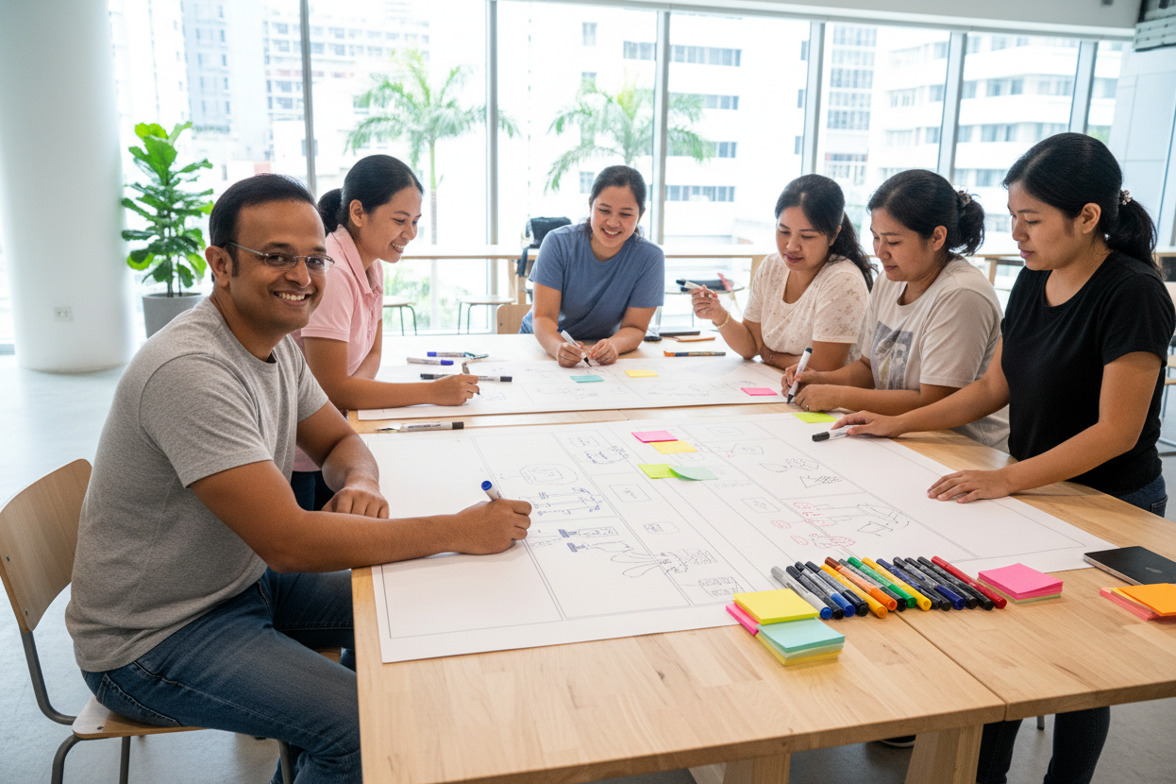
Writing, for me, is one more register of voice. I work in poetry and creative non-fiction as ways of holding the textures of struggle that the academic article flattens, and I co-script the narratives of my documentary films so that the words on screen stay true to the communities who lived them.
I sustain a long-running practice of public scholarship through my blog and through The Margins Review, opening discursive spaces for debate on the political and economic questions that matter.
An early project blog kept as an ethnographic account of community organising drew more than fifty thousand readers, an early sign of the appetite for scholarship that speaks plainly and stands somewhere. The work of organising voice does not end at the edge of the community meeting. It belongs in public, on the page, on the stage, and on the screen, beside the people whose voices the dominant structures are built to erase.