This page offers an overview of my current and ongoing projects. The conceptual foundations of these lines of work were established in my earlier scholarship, and what I am building now extends that scholarship through collaborative research and through the creation of additional networks of solidarity. Each project is held together by the culture-centered approach and its insistence on the relationship between structure, culture, and agency. Please contact me directly with any questions, and refer to the books and articles section for the deeper reading behind each line of work.
The Culture-Centered Approach
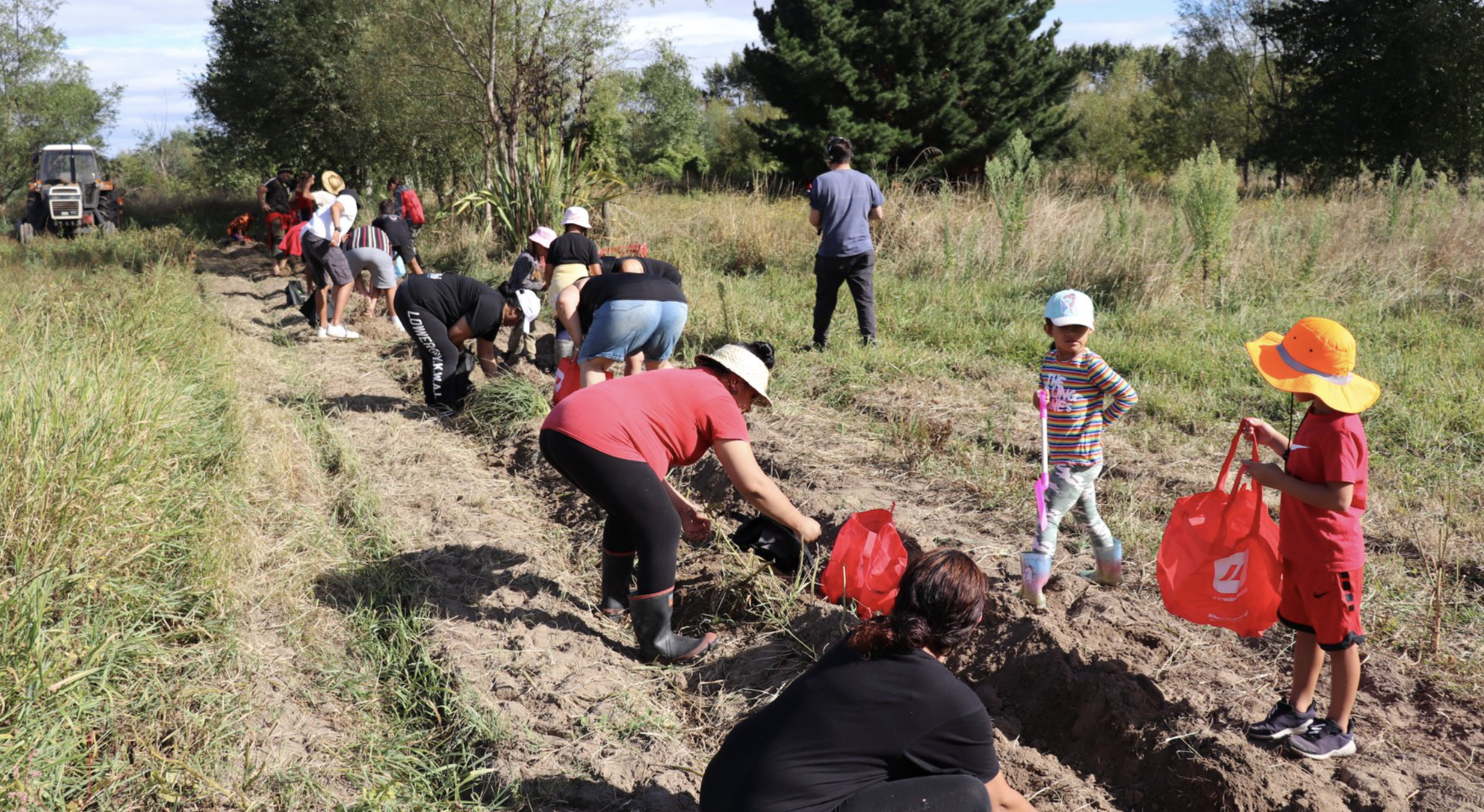
My ongoing research on the culture-centered approach examines the relationship between culture and structure in the health experiences of communities that exist at the margins of the healthcare system. Projects under this umbrella enter into dialogue with members of marginalised communities and centre their voices in the articulation of both problems and solutions, building the voice infrastructures through which subaltern communities author their own change. This work also offers a critical lens for interrogating the top-down models of health communication that undermine the participation of subaltern groups in the policies and programmes that shape their lives. It is through this de-centering that the approach opens space for listening to subaltern epistemologies and ontologies narrated in the participation of local communities. These journeys of solidarity carry local stories to global sites and render impure the West-centric theories of culture that saturate modernization and development. From the ethnography with Bangladeshi migrant workers in Singapore to the AHRQ-funded project addressing the heart health of African American communities in Lake and Marion counties in Indiana, the constant is community ownership of the processes of structural transformation.
Communication Technologies and Health Disparities
What is the link between the distribution of communication technologies and the health disparities that run between social groups? This line of work sits at the intersection of the digital divide and health inequalities, and it argues that the distribution of health disparities mirrors the distribution of communicative access. It traces the mechanisms through which communicative inaccess shapes health outcomes, and it interrogates the structural inequities built into the distribution of technological platforms and resources. From that critique comes the constructive task: building participatory communication processes in solidarity with local communities, so that technological capacity becomes a resource owned by communities rather than a structure imposed on them. Technology-based capacity building is, in this work, one more culture-centered site of social change and structural transformation.
AI and Data Justice
The infrastructures of artificial intelligence and large-scale data are now among the most powerful structures shaping who is seen, who is heard, and who is erased. My work on AI and data justice, including my role as an expert advisor on the Global Partnership on Artificial Intelligence’s data justice programme with the Alan Turing Institute, examines how algorithmic systems reproduce colonial and racial hierarchies under the cover of neutrality. From predictive systems that target and surveil the poor, to the platform architectures that amplify Hindutva and far-right disinformation, to the use of AI in the machinery of war, this research reads data infrastructures as sites of structural violence. The culture-centered response is to build data sovereignty from the ground up, placing the design and governance of these systems in the hands of the communities they are used upon, and asserting communication sovereignty against the platform politics of extraction.
Migrant and Refugee Health
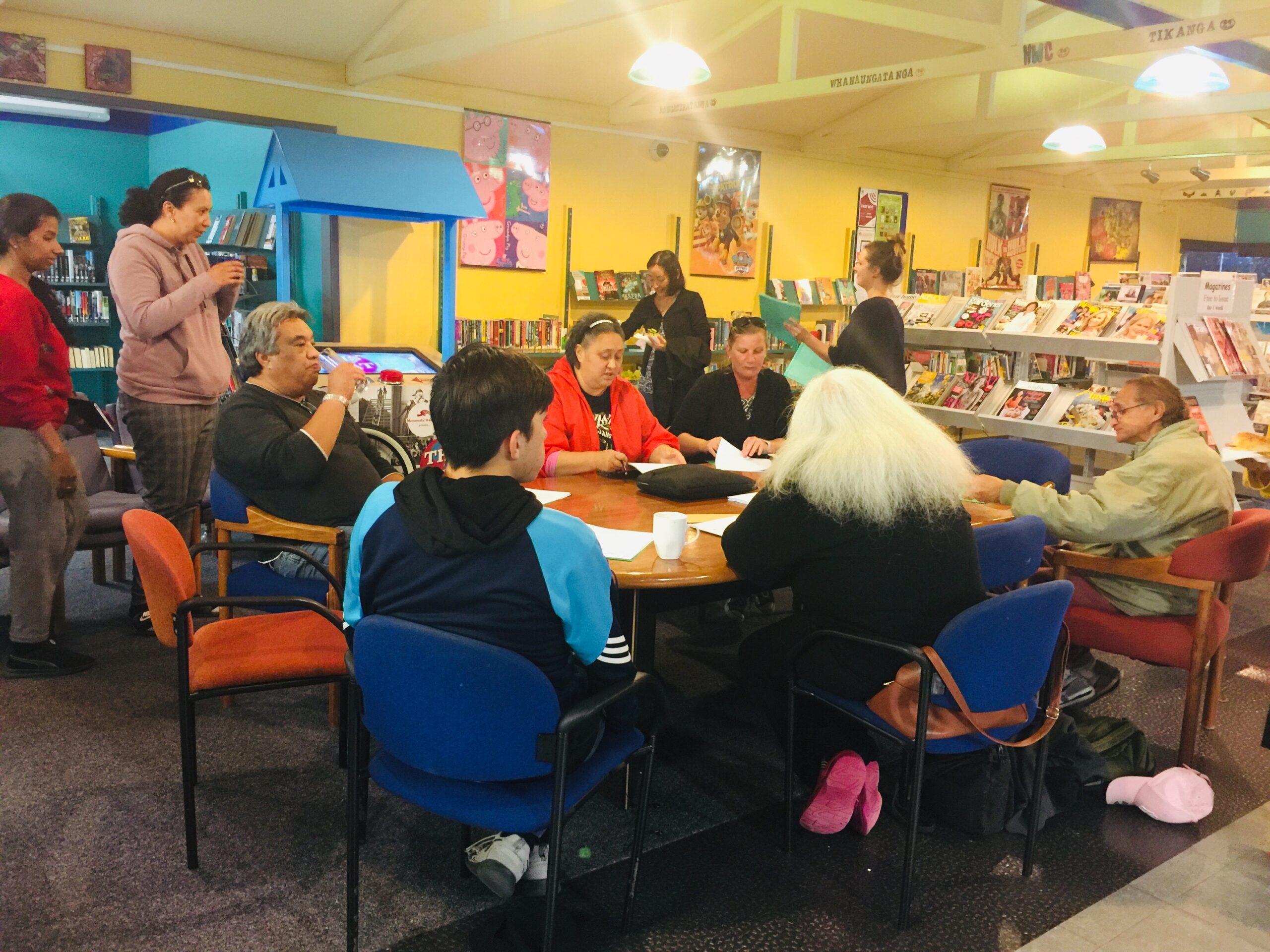
Migrants and refugees live at the sharpest edge of communicative inequality, their health needs erased by the structures of border, capital, and citizenship. This work builds long-term solidarities with migrant and refugee communities to centre their voices in the articulation of health. It runs from my decade of ethnographic work with Bangladeshi and other low-wage migrant workers in Singapore, through the documentation of the discursive erasure of migrant labour during the COVID-19 pandemic in India, to community-led projects with refugee and ethnic migrant women in Aotearoa New Zealand designed to address violence and to build leadership from within these communities. The throughline is a refusal of the deficit framings imposed on migrants and refugees, and the co-creation of voice infrastructures through which they author their own claims to health and dignity.
Asian Pathways of Healing
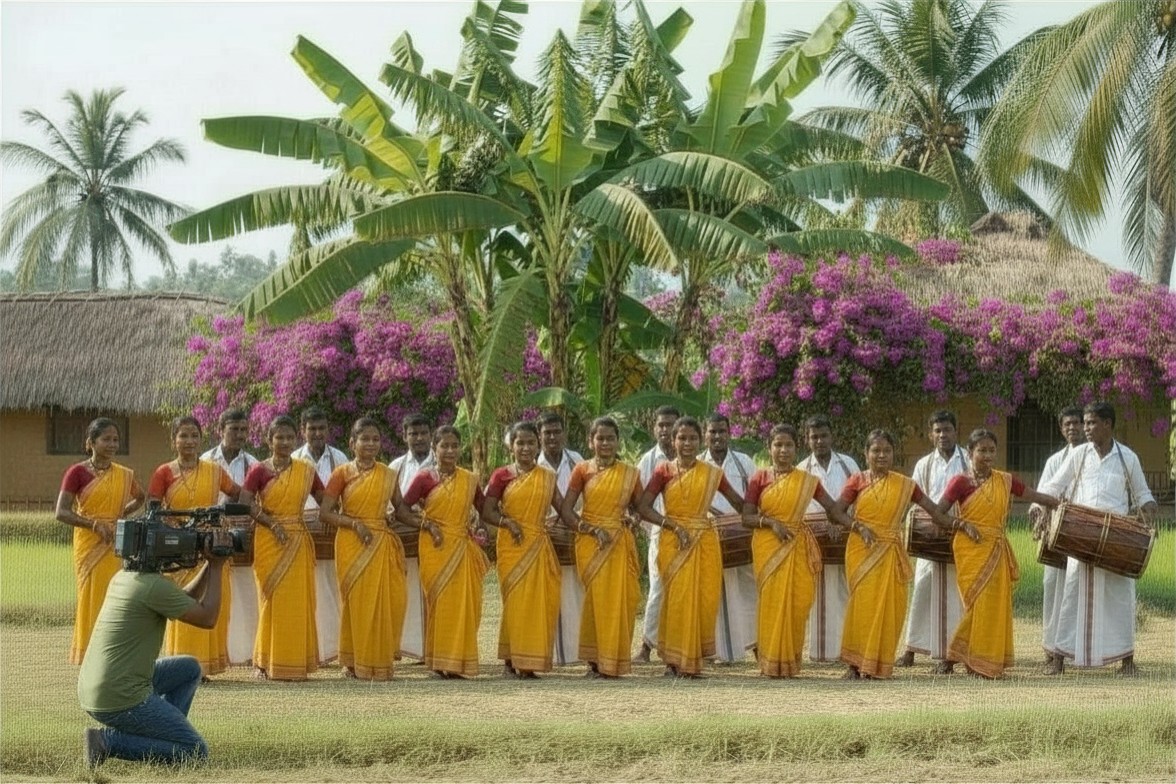
Against the West-centric hegemony that governs global health knowledge, this project listens to Asian cosmologies, philosophies, and practices of healing as theory in their own right. Drawing on indigenous and subaltern traditions, and in dialogue with thinkers such as Tagore, the work explores understandings of health as embedded relationship, as community, and as a connection to land and the commons rather than as the property of the neoliberal individual. It develops Asian pathways for doing health communication scholarship that do not pass through Euro-American frameworks for their legitimacy. In doing so it decolonises the field’s foundational assumptions about what health is, who holds knowledge about it, and whose ways of healing are permitted to count.

Academic Freedom
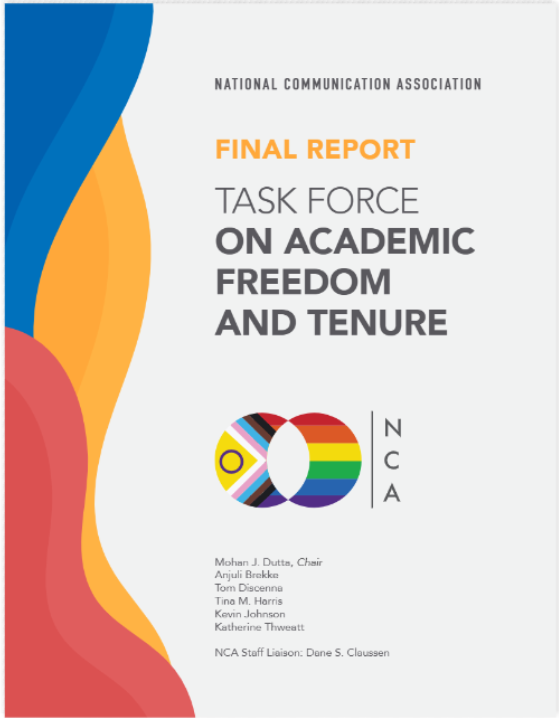
The freedom to teach, research, and speak in solidarity with marginalised communities is under coordinated assault, from the far-right networks that target critical scholars to the institutional structures that discipline dissent. As Chair of the National Communication Association’s Taskforce on Academic Freedom and Tenure, and through my own experience of organised online harassment, I am documenting and resisting the communicative architecture of this assault. This work maps how editorial choices, platform amplification, and far-right ecosystems connect to produce the silencing of anti-racist and decolonial scholarship, and it builds the collective infrastructures of protection and solidarity that a defence of academic freedom requires. To defend academic freedom, in this framing, is to defend the conditions under which subaltern voice can enter the academy at all.
Whiteness, White Supremacy, and te Tiriti
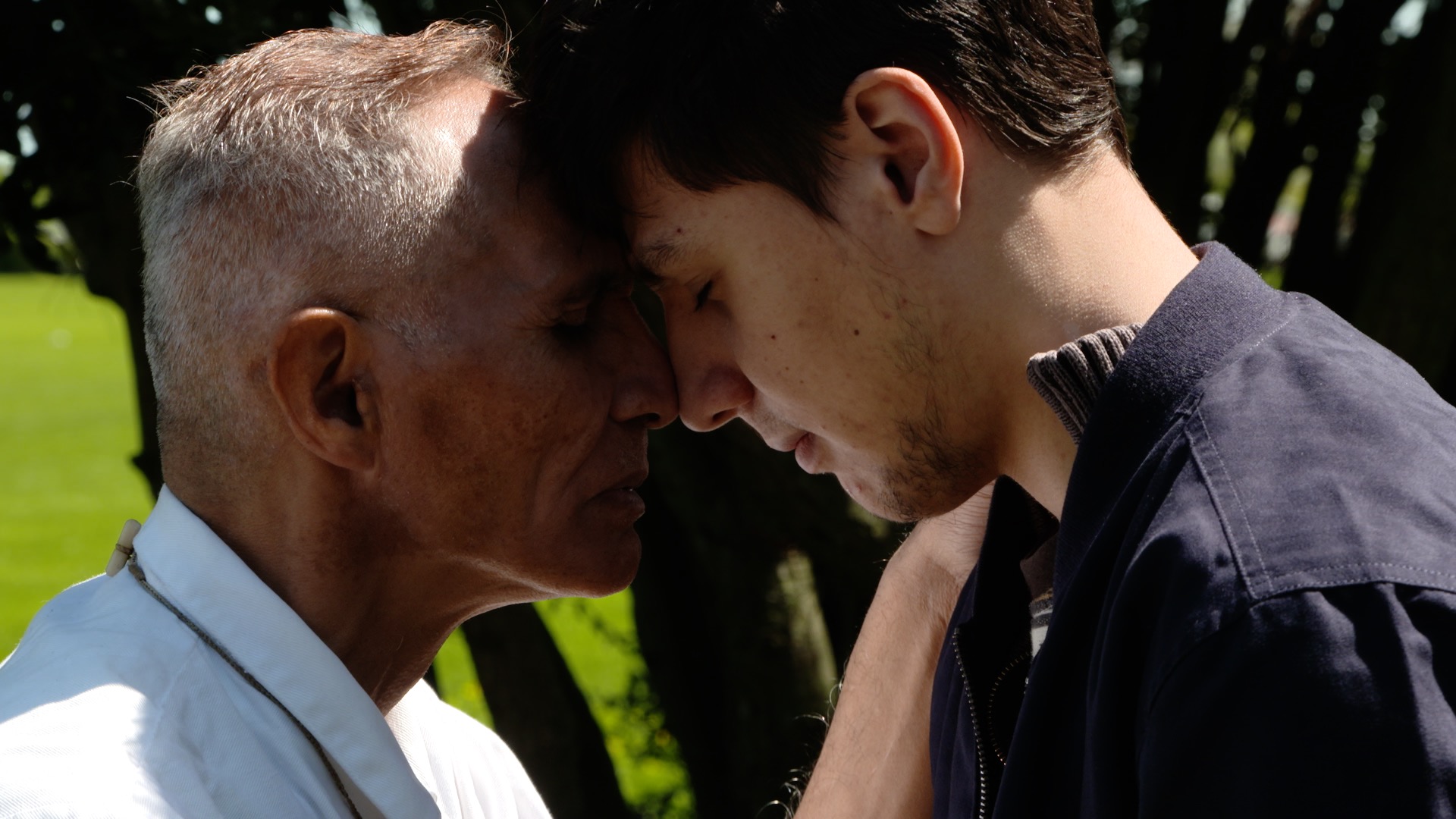
In Aotearoa New Zealand, the structures of settler colonialism and the ongoing project of whiteness work to erase the sovereignty guaranteed to tangata whenua under te Tiriti o Waitangi. This line of work names whiteness as an infrastructure, a set of material and discursive structures that organise who belongs, who governs, and whose knowledge counts.
As Lead Facilitator of the Tauiwi Caucus for the National Anti-Racism Action Plan with the Ministry of Justice, and through CARE’s community work across Palmerston North and beyond, I examine how white supremacy operates through liberal civility, through immigration and education policy, and through the everyday architecture of settler institutions. The constructive project is to build tauiwi solidarities with Māori sovereignty, honouring te Tiriti as the foundation of a genuinely decolonised and anti-racist future.