Teaching philosophy
To teach is to learn together. I walk into every classroom as a co-learner, carrying the conviction that knowledge is co-created in dialogue rather than delivered from a podium.
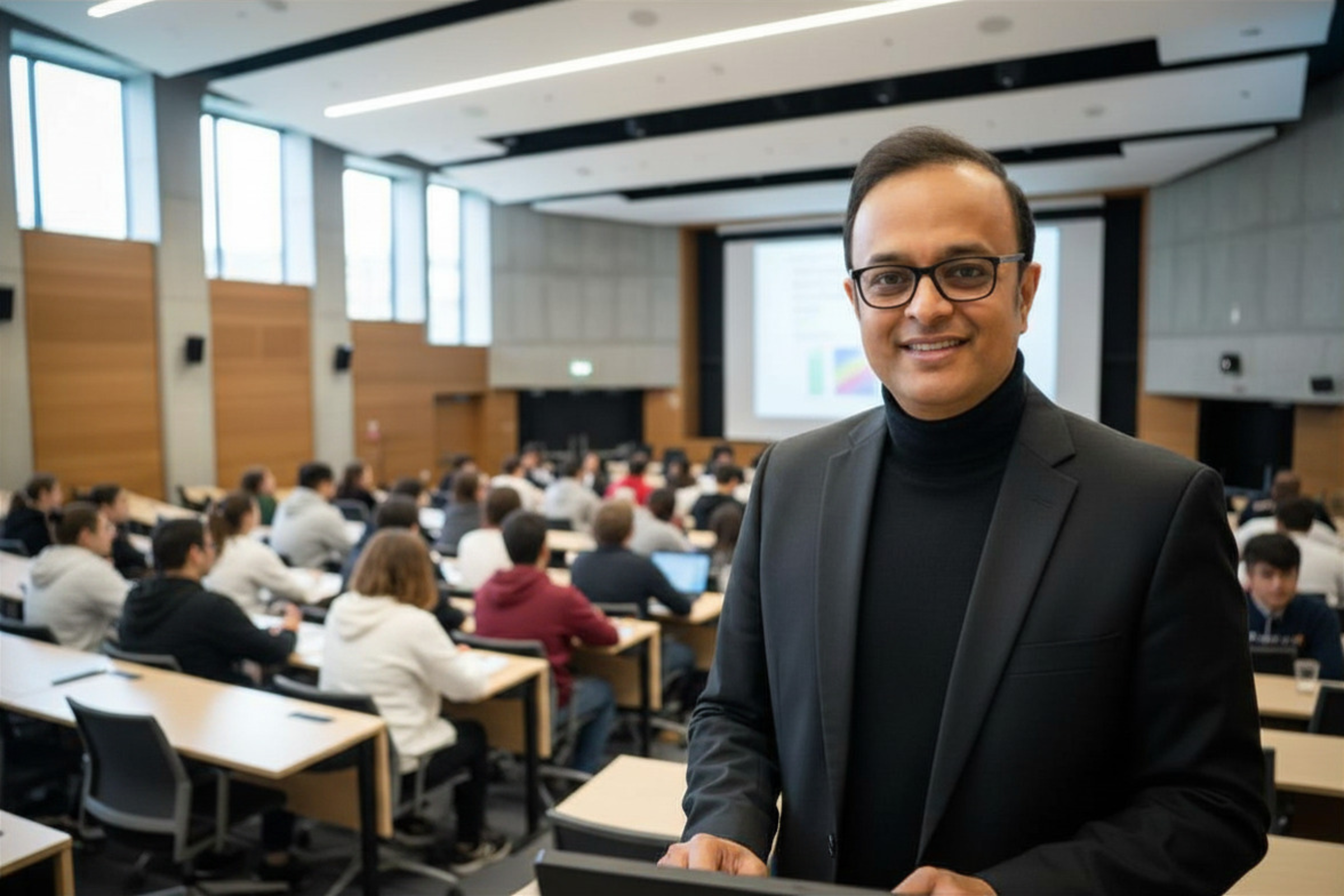
The most important thing I can model for a student is humility: the discipline of listening before speaking, of holding my own certainties lightly, of treating the room as a space where meaning is built between us rather than handed down. Learning, in this sense, is a co-creative process, and the classroom is one more site where we practise the participatory, culture-centered work that my research has always been about.
I teach communication as a practice of listening to voices that dominant structures work to erase. My courses move continually between theory and practice, drawing on critical, postcolonial, and subaltern studies to ask how communication both produces marginalisation and opens entry points for transforming it.
Students are invited to deconstruct the West-centric assumptions embedded in our field, to work reflexively with their own locations of privilege, and to build solidarity with communities through ethnographic and dialogic methods. The aim is not mastery of a fixed body of content but the capacity to co-create participatory spaces where subaltern voice can be heard and acted upon.
Underlying all of this is a politics of humility and care. I want students to leave with the analytic tools to read the structure-culture-agency relationships that shape inequality, and with the ethical orientation to put those tools in service of communities rather than over them.
When teaching works, the classroom becomes a rehearsal for a more just world, a place where we learn together how to listen, how to share power, and how to imagine change from the margins outward.
Current courses, Massey University
I currently teach across the undergraduate and postgraduate programmes I helped design through Massey’s applied and global communication curriculum reviews.
Global Communication. This course examines communication in a world structured by colonial histories, global capital, and unequal flows of information and power. Students engage the political economy of global media, the cultural politics of representation, and the ways communities in the global South contest neo-colonial structures and assert communication sovereignty. The course foregrounds decolonial and culture-centered frameworks, asking how global problems look different when read from the standpoint of those at the margins.
Fundamentals of Applied Communication. This course grounds students in the core principles of applied communication and connects them directly to practice. Working through situation analysis, research, strategy, and evaluation, students learn to design communication that responds to real community and organisational needs. The applied work is anchored in an ethic of listening and participation, so that students learn to build communication with communities rather than simply for them.
Public Policy Communication. This course explores how communication shapes the making, contestation, and transformation of public policy. Students examine the role of voice, evidence, advocacy, and participation in policy processes, and they study how marginalised communities organise communicatively to influence the structures that govern their lives. The course pairs analytic engagement with the political economy of policy alongside practical skills in policy advocacy and public engagement.
Graduate teaching and curriculum design
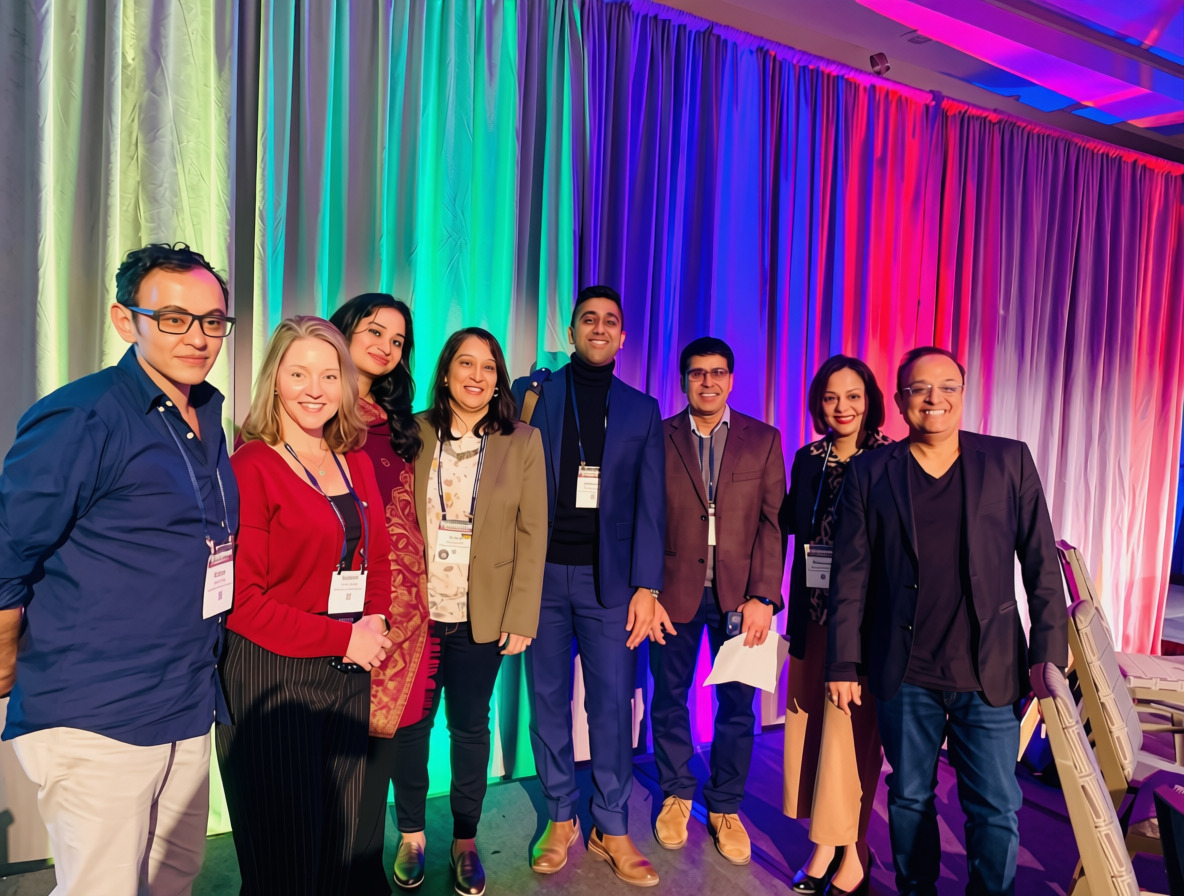
Teaching for me has always been bound up with building curricula that open space for critical and decolonial thought. At Massey I have chaired the taskforces that designed the applied communication and global communication curricula. At the National University of Singapore I designed and led a full curriculum revision for Communications and New Media, developing courses from the introductory level through advanced doctoral theory, including Communication for Social Change and the qualitative methods sequence.
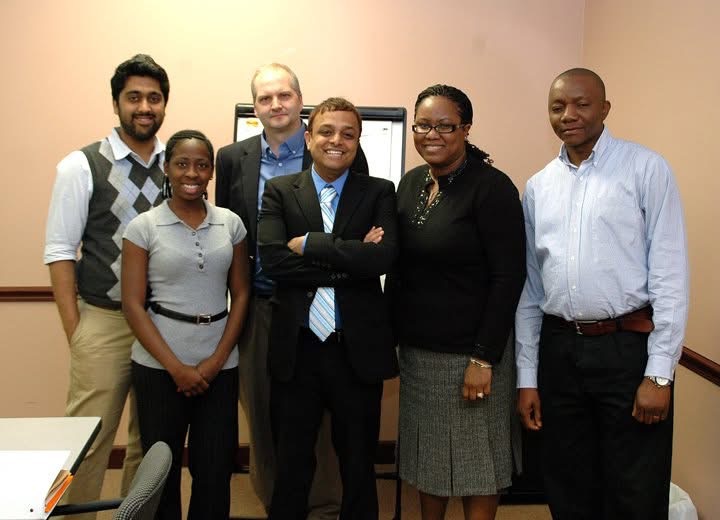
At Purdue University I developed a thread of postcolonial and critical-cultural theory in the doctoral curriculum that became a lasting part of the programme. Among the signature graduate courses I designed and taught there were Culture, Marginalization, and Resistance; Postcolonial Approaches to Communication; Critical Cultural Approaches to Communication; and Culture and Health. These courses share a common commitment: to read communication theory through the politics of social transformation, and to treat the classroom as one of the participatory spaces in which subaltern voices can be centred and West-centric hegemonies of knowledge unsettled.
Teaching awards and recognition
My commitment to teaching has been recognised through several honours across my career. At Purdue University I received the Charles Redding Award for Excellence in Teaching from the Department of Communication, as well as the Outstanding Graduate Faculty Award, in acknowledgement of my work with doctoral students. That work of mentoring the next generation of scholars has remained central to me, and it has been recognised at the highest levels of the field with the National Communication Association’s Dale E. Brashers Distinguished Mentor Award and the International Communication Association’s Aubrey Fisher Mentorship Award. Together these honours reflect what I most value in the classroom and in supervision alike: the slow, reciprocal work of learning together and of supporting others to find and trust their own voice.