Media and Public Scholarship
My public work is where scholarship meets activism. Across a podcast, documentary film, op-eds, and a long practice of blogging, I try to open spaces for asking the questions that matter, the questions that connect critical analysis to the work of building voice alongside communities at the margins. This page gathers some of that work in one place.
Podcast: Interventions from the Global South
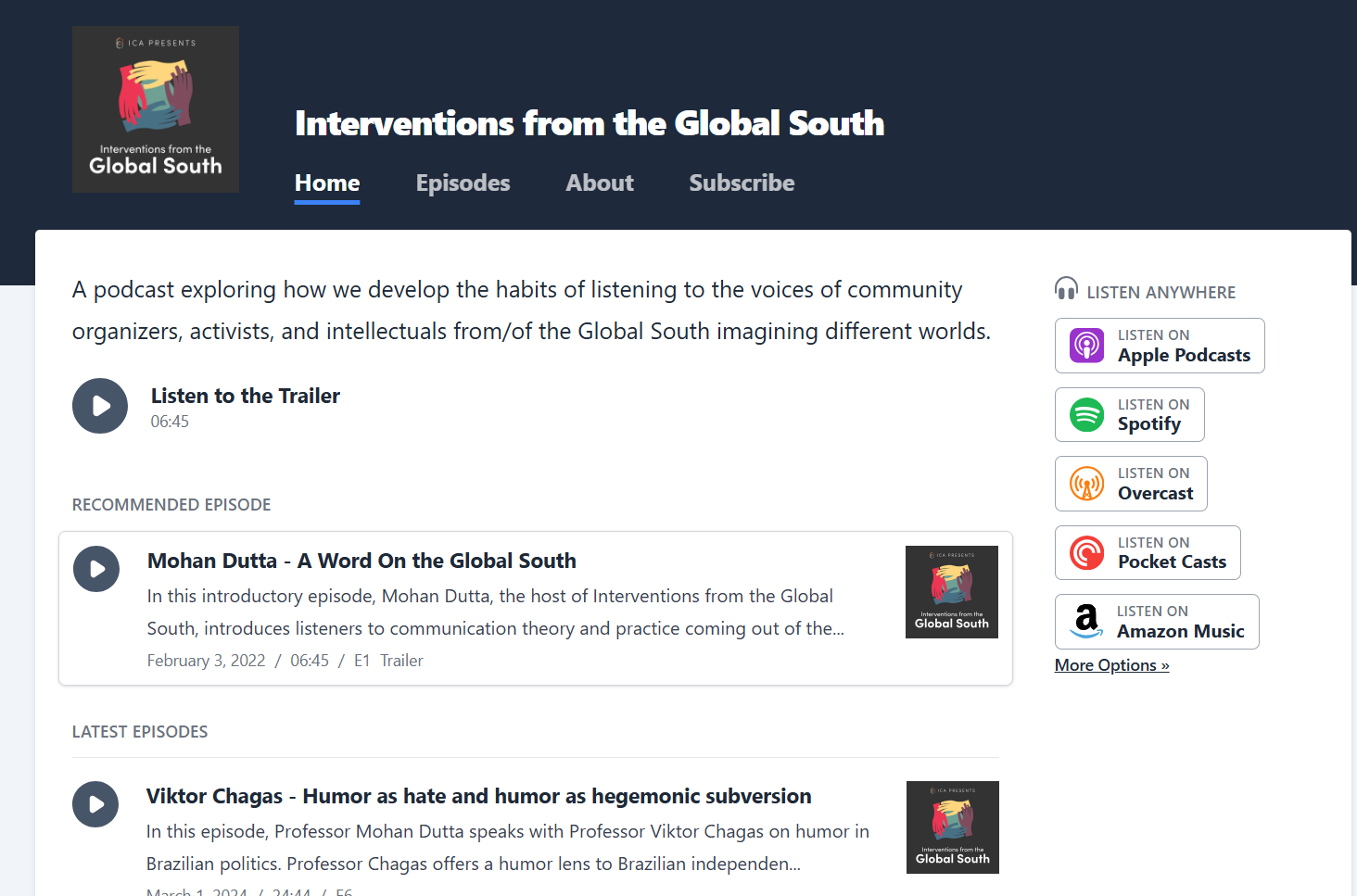
I host Interventions from the Global South, a podcast on the International Communication Association’s ICA Podcast Network. The series develops the habit of listening to the voices of community organizers, activists, and intellectuals from and of the Global South as they imagine different worlds. Across episodes I have been in dialogue with scholars and organisers including Usha Raman, Cheryll Ruth Soriano on Filipino platform workers, Viktor Chagas on humour in Brazilian politics, Rafael Grohmann on open data access, and Noor Aswad on the legacies of imperialism in Syria. The series is sponsored by the Institute for Advanced Study in the Global South at Northwestern University Qatar. Listen on Apple Podcasts, Spotify, or at the series home.
Documentary films
I write and direct documentary film to put subaltern voice on the screen and into public debate.
Respect Our Rights (2014), which I scripted and directed, follows the lives and struggles of foreign domestic workers in Singapore. Respect Our Food Rights (2015), scripted and directed, documents the food insecurity endured by migrant construction workers. No Singaporeans Left Behind (2015), whose story I scripted and which I directed, broke the public silence around poverty in one of the world’s wealthiest states.
Voices of 1965 (2016), which I co-scripted, sits with the survivors of the anti-communist massacres in Indonesia. Life on the Plantation: Negotiating Communicative Marginalization (2019) was co-created as a script with an advisory group of plantation workers in Malaysia. The community-engaged work of CARE is itself documented in A Decade of Struggle for Voice.
Selected op-eds and public writing
I write regularly for public audiences on racism, health equity, Hindutva, and the politics of voice in Aotearoa and beyond.
My OpEds appear in The Post, E-Tangata, Newsroom, The Wire, Massey Opinions, and other outlets.
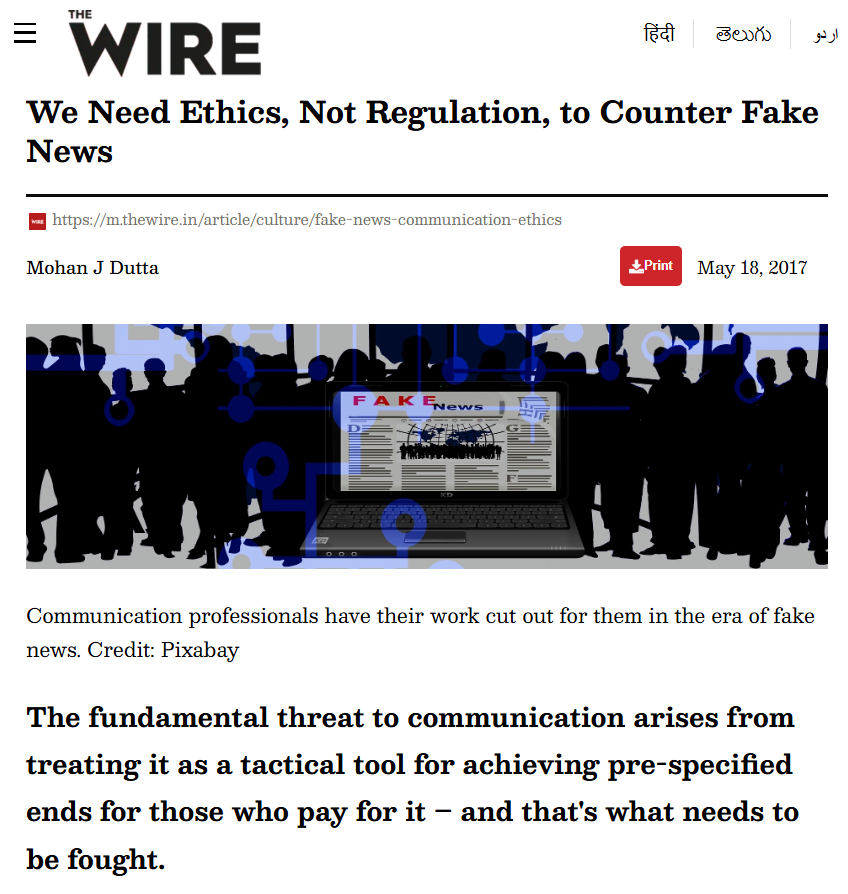
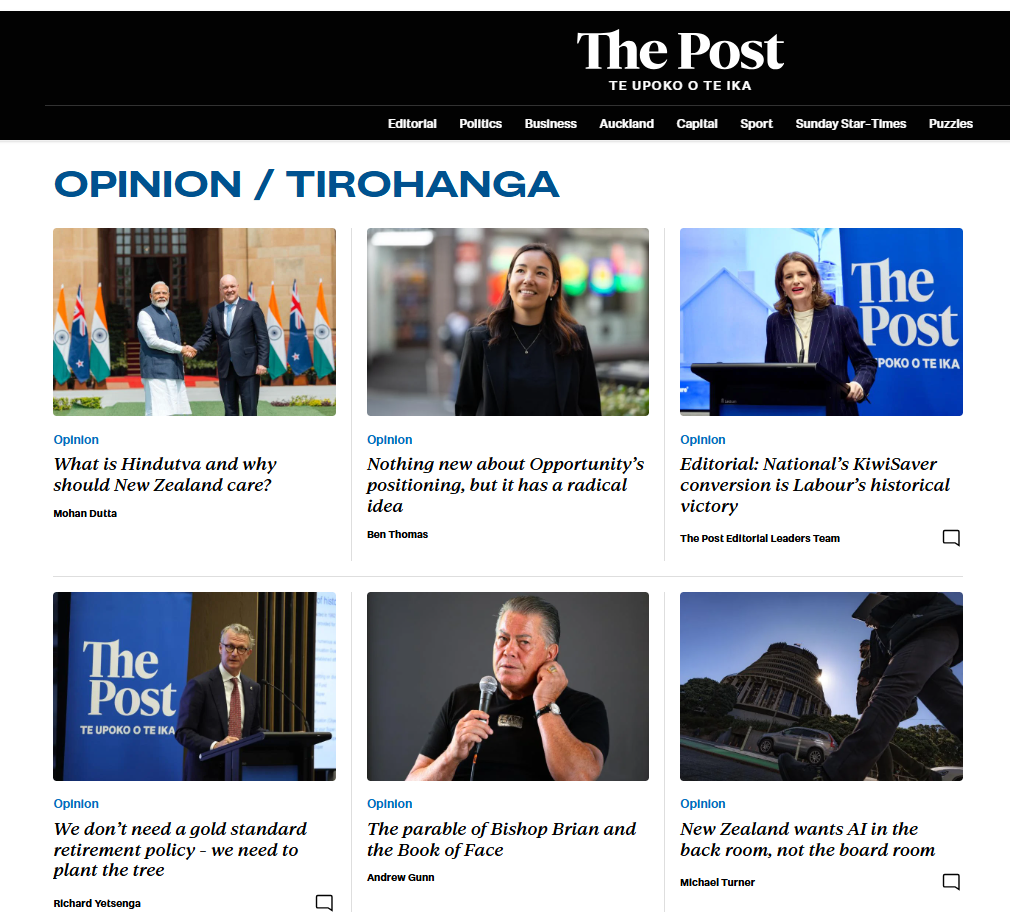
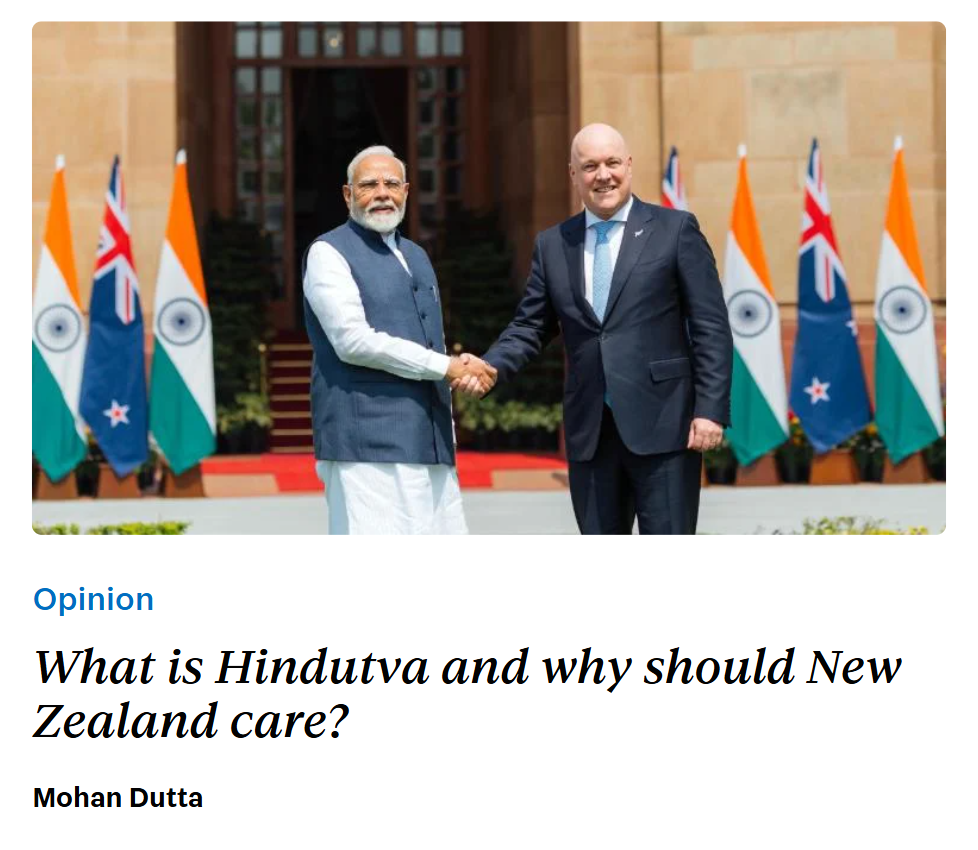
Dialogue Isn’t Always the Best Option argues that “both sides” framing collapses in the face of organised disinformation, and that respecting te Tiriti means putting Māori leadership at the heart of social cohesion. What Is in a Name? Caste Privilege and Racism reads caste and language chauvinism through an intersectional, whakapapa-based anti-racism.
In Why ACT’s Dr Parmar Is Wrong About Te Tiriti Rights (E-Tangata, 2025), I argue that caste privilege travels with Indian migrants into Aotearoa and make the case for compulsory Te Tiriti education as essential to undoing those inherited ideologies.
A wider archive of op-eds and analyses is collected at the CARE website.
Blogs
My current blog, Culture-Centered Approach, offers ongoing reflections on the interplays of culture, structure, and agency, and on the ways communities at the margins resist. I also publish public scholarship through The Margins Review that is distributed to subscribers.
These are spaces for organic analysis, written to open debate rather than to close it.
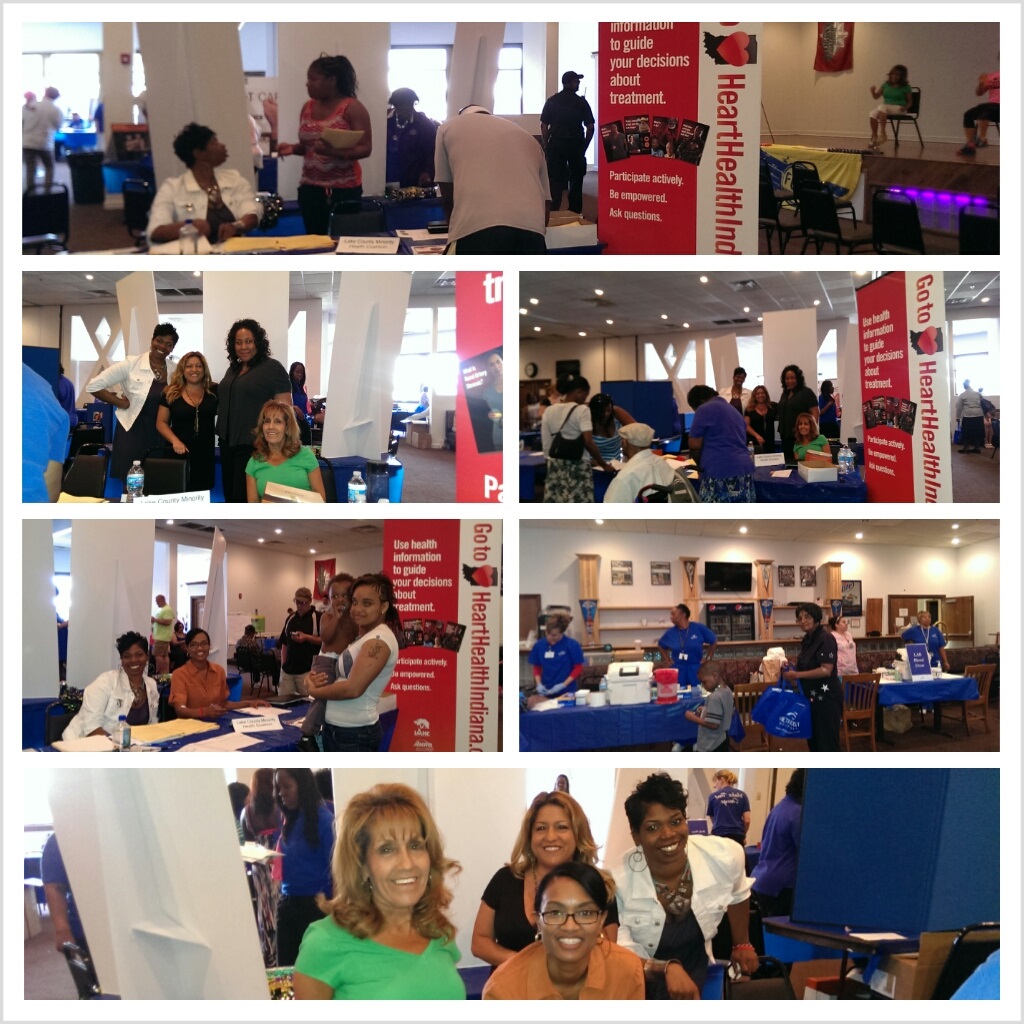
An archive of earlier blogs from my years at Purdue and NUS remains available: Critical Thoughts on critical theory, globalisation, and marginalisation; Digital Voices on the digital divide, health literacy, and digital activism; Communities and Universities Addressing Health Disparities, the blog for the AHRQ-funded heart health collaboration with African American communities in Indiana; and my MacArthur digital media writing on online health activism among young people.
Podcast interviews and conversations
I am also a frequent guest in conversations on the culture-centered approach and the politics of voice.
My public interventions explore often the intersections of structures of cultural dominance that perpetuate marginalisation and erasure.
For instance, the exploration of white supremacy, far-right Zionism and Hindutva traces the communicative processes that are deployed to silence voices from the margins and dissenting articulations that question power.
Dismantling Communicative Inequalities with Mohan Dutta (Unsettling Extremism, 2025), a conversation on how the culture-centered approach helps us read the present political moment, and on communicative inequality, communicative sovereignty, and disinformation. The Ayaan Institute podcast featured an extended discussion of my research on Global Hindutva and its connections to far-right narratives, violence, and the 2022 Leicester disorder. The National Communication Association’s 5 Questions With Mohan Dutta explores CARE’s work co-creating communication infrastructures owned by the disenfranchised.
In the media
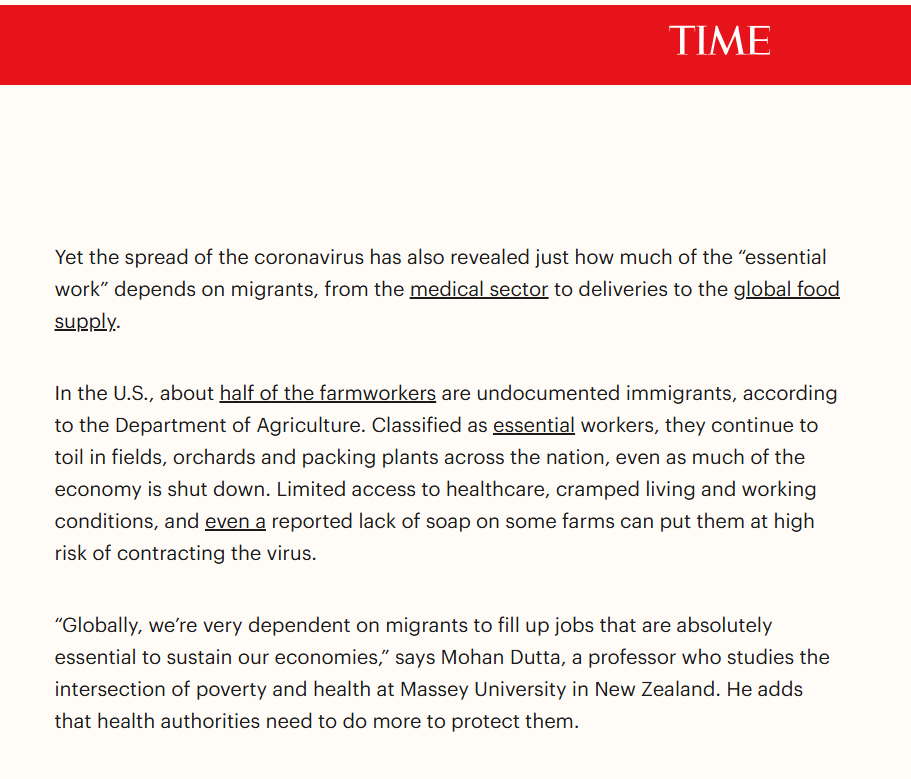
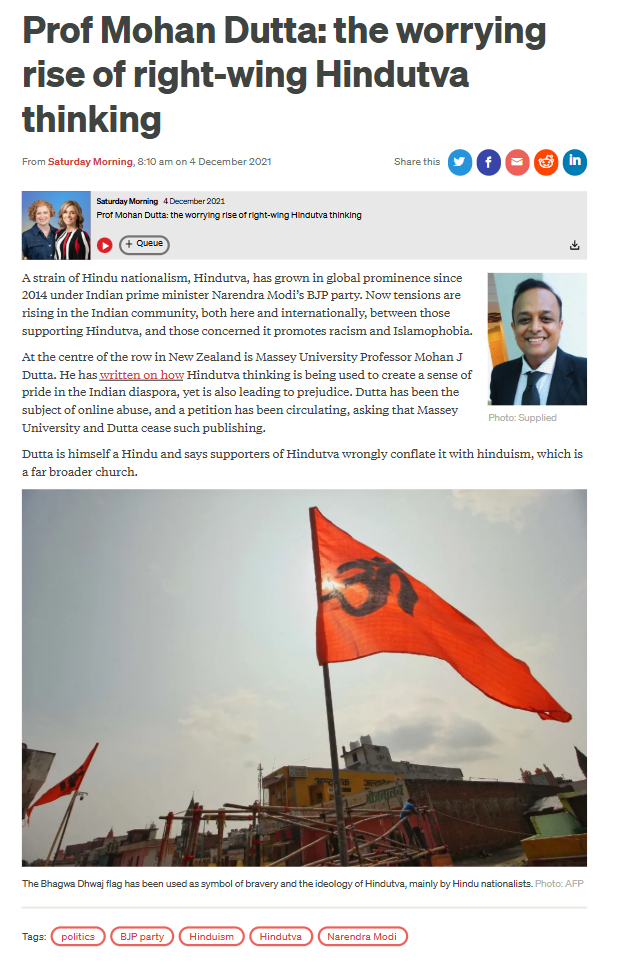
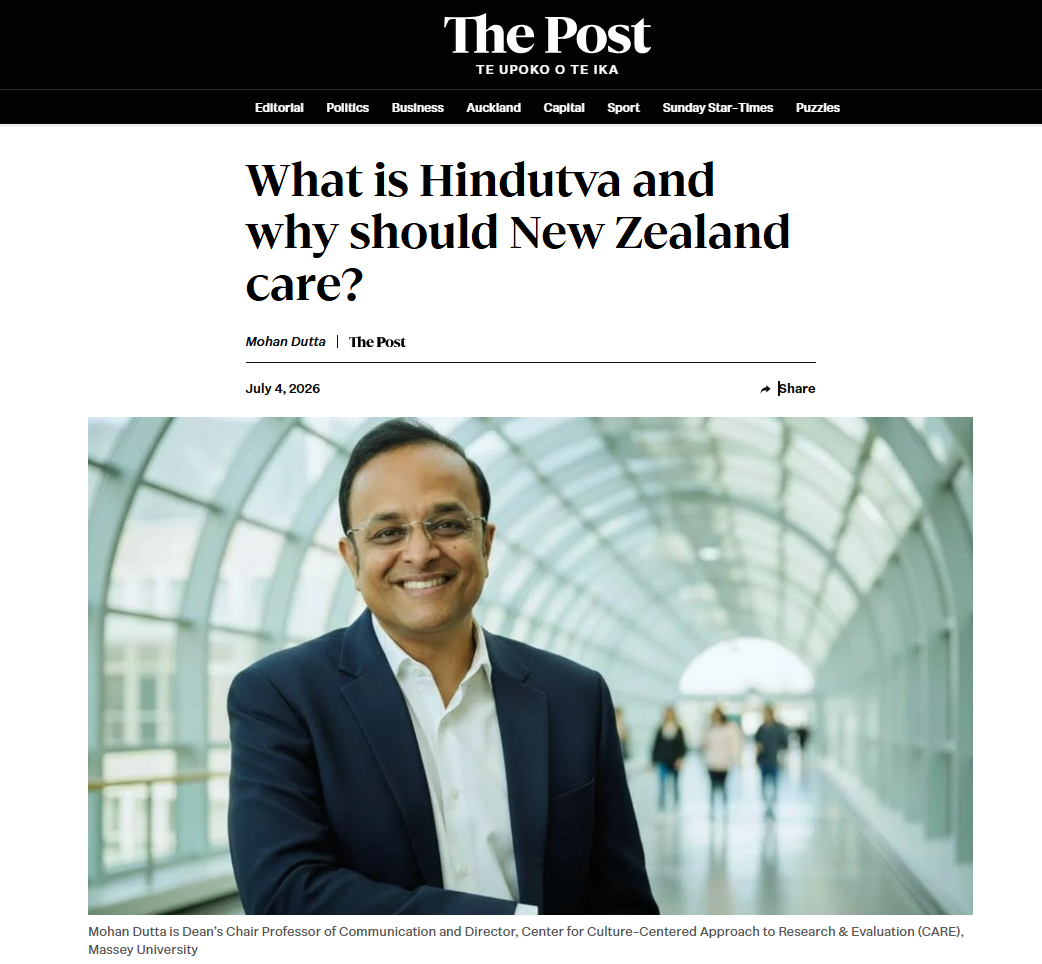
My public commentary on racism, Hindutva, settler colonialism, and health equity is regularly covered in New Zealand and international media. Research-informed media commentary is published in The Post, E-Tangata, The Wire, Massey Opinions, and other outlets. My scholarship and commentary feature on a wide range of New Zealand and international media including RNZ, TVNZ, Newsroom, Time Magazine, National Public Radio, The Guardian, The Straits Times, and South China Morning Post.
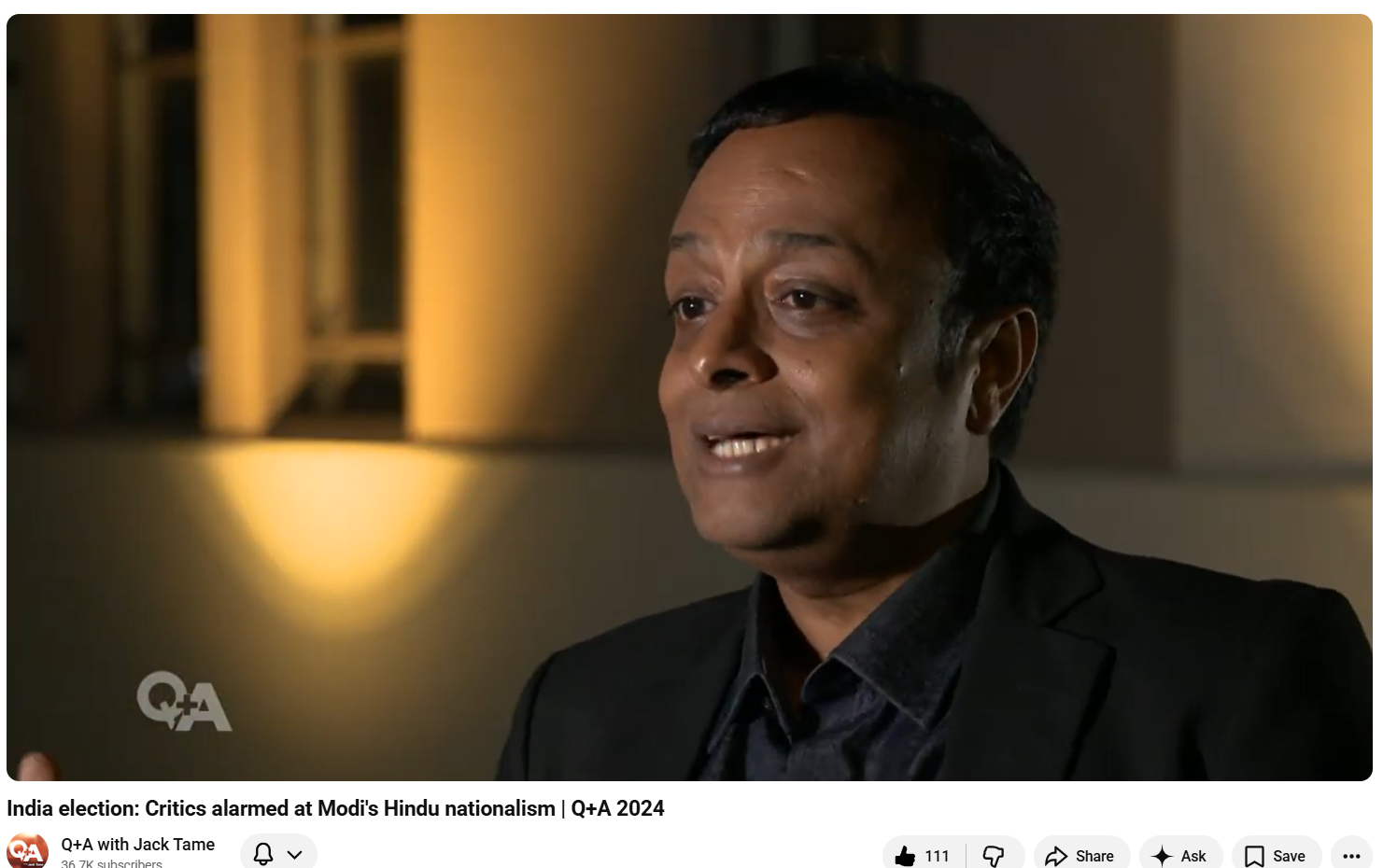
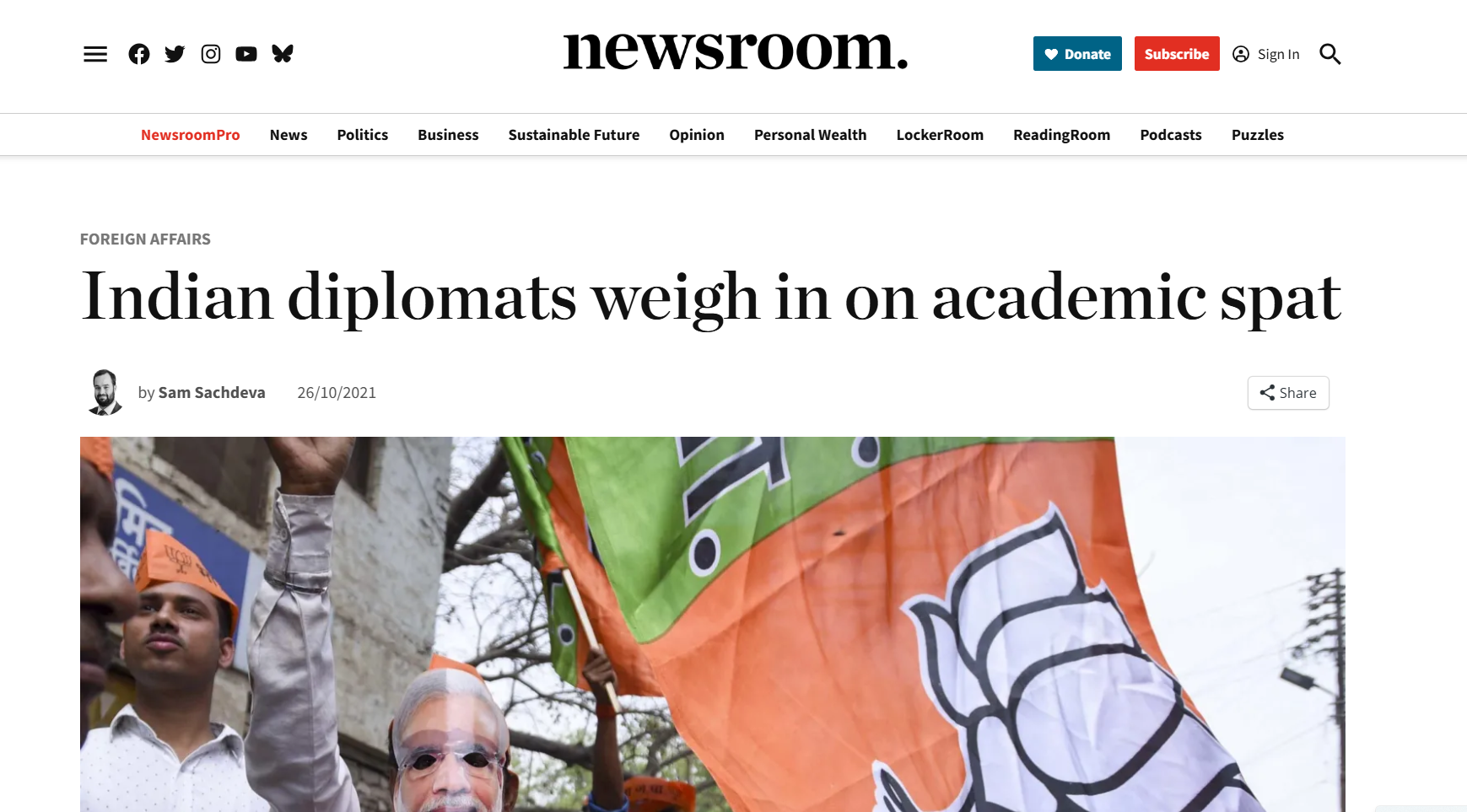
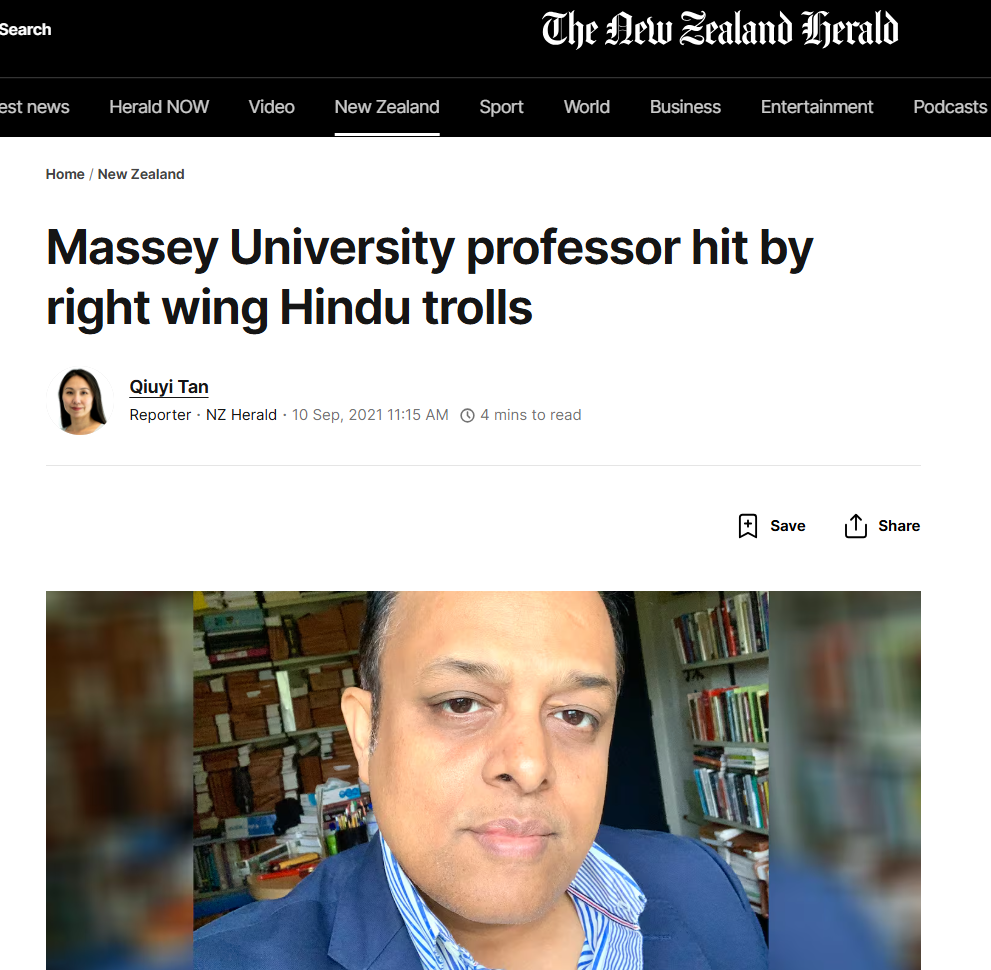
A 2021 to 2022 series of reports, white papers, and commentary on Hindutva drew organised online harassment that was reported by the New Zealand Herald, Newsroom, and led to a complaint I successfully brought to the New Zealand Media Council over a community news site’s coverage.
I remain active in public debate through X and through CARE’s channels at @CAREMasseyNZ. For media stories, contact me at M.J.Dutta@massey.ac.nz.